Dekemvriana: The 1944 Battle of Athens and Road to Civil War
The Dekemvriana were the Dec. 1944 clashes in Athens between the left and the government with British backing. What happened and how it led to civil war.
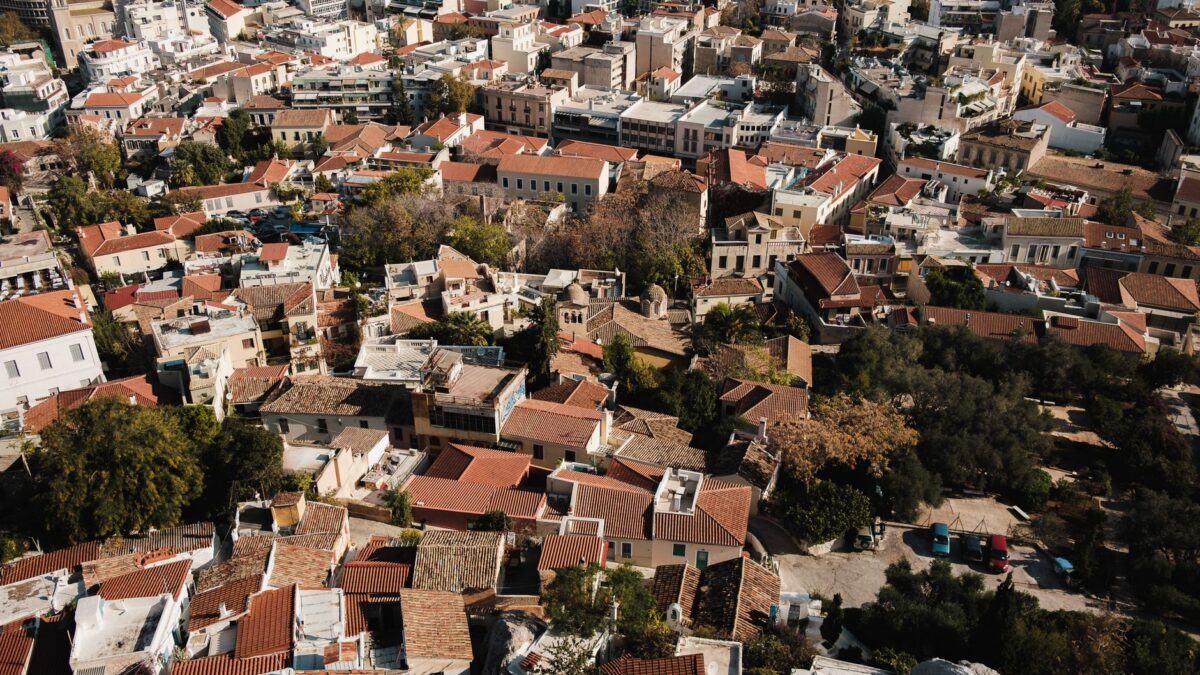
The Dekemvriana (Greek for “December events”) were clashes in Athens between Dec. 3, 1944, and Jan. 11, 1945. They pitted the left-wing resistance movement EAM and its military arm ELAS against the Greek government, its security forces and the British Army. The fighting stayed in Athens, ended in defeat for EAM-ELAS, and is counted among the bloodiest battles in modern Greek history. It is widely seen as a step toward the Greek Civil War of 1946 to 1949, according to Wikipedia’s Dekemvriana article.
Who were the sides in December 1944?
EAM was the largest resistance movement in occupied Greece, controlled by the Communist Party of Greece (KKE). ELAS was its armed wing. By 1944 it faced a rival resistance movement, EDES, and each saw the other as its main adversary. On the other side stood the Greek government, parts of the Hellenic Royal Army, the Hellenic Gendarmerie, the Cities Police, the right-wing Organization X and the British Army.
According to the Wikipedia article on the Greek Civil War, EAM-ELAS controlled most of the mountainous interior of the country by 1943, while EDES was limited to Epirus. By early 1944 ELAS could call on nearly 25,000 fighters, with another 80,000 in reserve or support roles.
What political deals came before the fighting?
In May 1944 the Lebanon Conference roughly agreed that all non-collaborationist factions would join a Government of National Unity. Six of its 24 ministers came from EAM. A few weeks before German troops left in October 1944, the Caserta Agreement set two further rules: collaborators would be tried and punished, and all resistance forces would help form a new Hellenic Army under British command. The agreement placed Greek forces under British Lieutenant-General Ronald Scobie.
The British arrived in October with the exiled government. British troops entered Athens on Oct. 13, and Prime Minister George Papandreou and his ministers followed six days later. King George II stayed in Cairo because Papandreou had promised that the future of the monarchy would be decided by referendum.
Why didn’t ELAS simply take power?
With the Germans gone, ELAS held the countryside and most cities, and little stood in its way. The KKE leadership, however, had been told by the Soviet Union not to provoke a crisis that could endanger Allied unity. ELAS fighters and rank-and-file members did not know about this instruction, which became a source of conflict inside EAM and ELAS.
What triggered the clashes?
The dispute was over disarmament. Papandreou, advised by British ambassador Reginald Leeper, demanded that armed groups disband, with a few exceptions, and that a National Guard under government control be created. EAM feared this would leave ELAS defenseless against anticommunist militias and offered a plan of total and simultaneous disarmament. Papandreou rejected it.
On Dec. 1, Scobie issued a proclamation ordering the disarmament and dissolution of ELAS. The EAM ministers resigned from the government the next day. The KKE leader Siantos decided the demand to dissolve ELAS had to be resisted.
What happened on Dec. 3 and after?
EAM called a rally in central Athens for Dec. 3. It demanded punishment of the collaborationist Security Battalions and the withdrawal of the “Scobie Order.” Around 200,000 people attended. The Cities Police and the Gendarmerie shot at the crowd, killing 28 protesters and wounding 148.
Those killings set off a full armed confrontation. At first it was between EAM and Greek security forces, which included the Security Battalions. In the second half of December it became a fight between EAM and British forces. Meanwhile, Organization X members had set up outposts in central Athens and held out against EAM for several days until British troops arrived. Outside Athens the situation stayed tense but peaceful, apart from Epirus, where Aris Velouchiotis attacked the forces of Napoleon Zervas.
How did it end, and why does it matter?
The Dekemvriana ended with the defeat of EAM-ELAS and its disarmament under the Varkiza Agreement, which marked the end of ELAS. The defeat broke EAM’s power. A period of “White Terror” against the Greek left followed, which contributed to the outbreak of the Greek Civil War in 1946.
That war ran from March 31, 1946, to Aug. 30, 1949. It was a Communist-led uprising against the government of the Kingdom of Greece, which the royal government won with British and American support. It is noted for war crimes committed by both sides and for a high death toll, with estimates ranging from 80,000 to 158,000 killed. Historians and politicians still debate the period. Another turning point in the same decade is explained in our piece on why Greece said no in 1940.
Quick answers
When did the Dekemvriana take place?
From Dec. 3, 1944, to Jan. 11, 1945, in Athens.
Who won?
The government side and the British Army. EAM-ELAS was defeated and disarmed under the Varkiza Agreement.
Was it the start of the Civil War?
Not directly. The Civil War began in 1946, after the “White Terror” and the violence around the 1946 elections and referendum, but the sources describe the December events as part of the division that escalated into it.
Checked against official sources in November 2026. Hours, prices and rules change: confirm on the official page before you go or apply.