Plaka and Anafiotika History: Athens’ Oldest Neighbourhood
Plaka has been inhabited since the Neolithic; Anafiotika was built by settlers from Anafi. Read how both grew, shrank and were preserved.
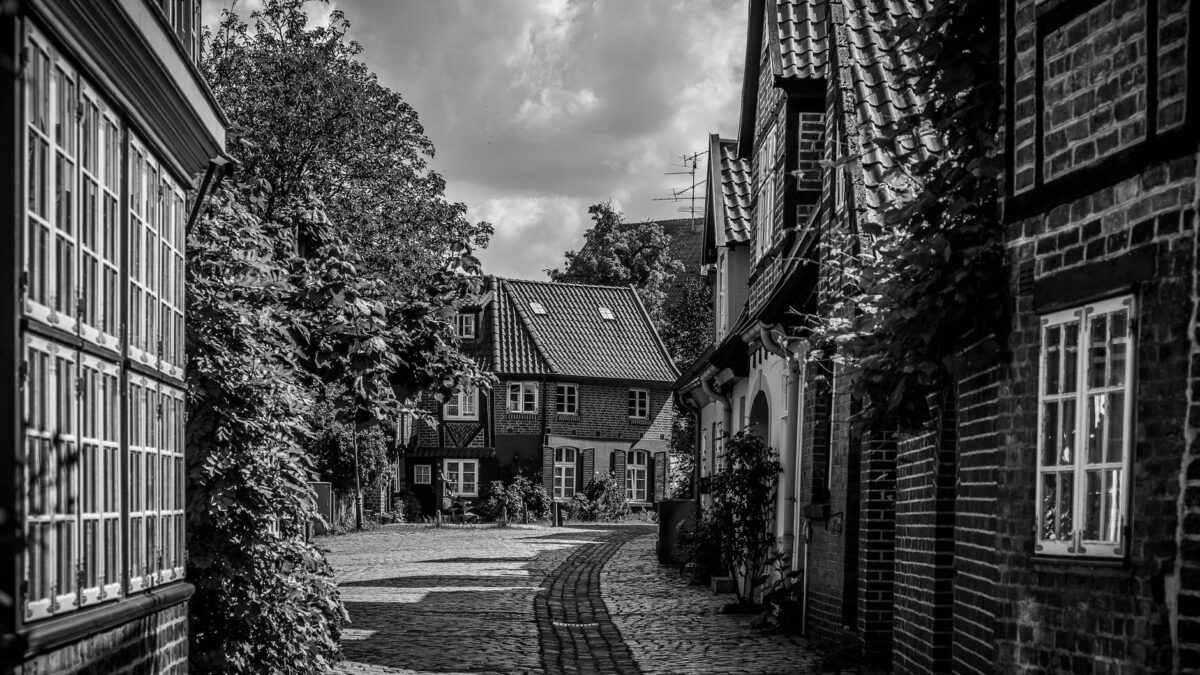
Plaka is the oldest district of Athens. According to Wikipedia’s Plaka article, people have lived there continuously from the Neolithic period to today. Anafiotika is a tiny settlement inside it, on the northeast side of the Acropolis hill, built by workers from the island of Anafi in the era of King Otto.
Together they show two layers of Athens: a neighbourhood that grew over the ancient city, and a small Cycladic village that grew inside it.
What is Plaka and where is it?
Plaka sits on the northern and eastern slopes of the Acropolis, between Syntagma Square and Monastiraki Square. It is a tangle of narrow streets and neoclassical houses. Adrianou Street, the largest and most central street, divides it into two parts. Ano Plaka is the upper level right under the Acropolis. Kato Plaka is the lower level between Syntagma and Monastiraki.
The district is built on top of the residential areas of the ancient town. Some streets, such as Adrianou and Tripodon, can be traced back to ancient times. Plaka grew up mostly around the ruins of the Ancient Agora, and it holds monuments from every period of the city’s history. Its nickname is the “Neighborhood of the Gods,” because of the Acropolis next door and the many archaeological sites around it.
Where does the name Plaka come from?
The name is first recorded in the second half of the 17th century. Until the reign of Otto it applied only to the area around the Choragic Monument of Lysicrates, which locals had called the “lantern” of Demosthenes since at least 1460. After 1834 the name gradually spread to the whole area between today’s Makrygianni Street and the Ancient Agora. Earlier names included Alikokkou, Kontito and Kandili, or the names of local churches.
The origin of “Plaka” is disputed. One suggestion is the Arvanitika phrase Pliak Athena, meaning “Old Athens,” from Albanian plak, “old.” Another points to a plaque that once marked the central intersection. The linguist Charalampos Symeonides supports a version of the second view: Plaka is a common Greek place name found across the country, attested as early as 1089, and in Athens it denoted a place with ancient plaques or marbles.
How did Plaka develop under Ottoman rule?
The population of Athens grew in the early 16th century. After 1456, the town expanded northeast, mainly through settlement by Albanians who had arrived in the region some years before the Ottomans. After the Ottoman conquest, further waves followed: one after Venice lost its Morean strongholds in 1540, and another after a revolt in the Morea in 1570, when the Ottoman administration ordered Albanians to settle in Attica. These settlements became the district later known as Plaka.
In the same period the Benizelos family lived there, the family of Saint Philothei. In the mid-17th century Plaka seems to have been the least densely inhabited of Athens’ eight main administrative units, the platomata.
What happened after Greek independence?
During the Greek War of Independence, residents left Plaka, like the rest of Athens, because of severe fighting in 1826. The area was resettled in the first years of Otto’s reign by old Athenian families and newcomers such as artisans, professionals and military personnel. Plaka had a sizable Albanian community until the late 19th century and was the Albanian quarter of Athens, with its own courts that used the Albanian language.
The district took its present form in the 19th and early 20th centuries. In 1884 a fire burned down a large part of it, which gave archaeologists the chance to excavate the Roman Agora and Hadrian’s Library. Our Roman Athens walk covers those sites today. Excavations have continued since the 19th century.
From the 1950s to the 1970s Plaka declined, as a result of the post-war construction boom, more cars and the growth of tourism. A comprehensive preservation plan was put in place in the 1980s, and the area improved quickly.
What is Anafiotika, and who built it?
According to Wikipedia’s Anafiotika article, the first houses went up when workers from Anafi came to Athens to help refurbish King Otto’s Palace. The first two inhabitants on record were G. Damigos, a carpenter, and M. Sigalas, a construction worker. Workers from other Cycladic islands followed, as carpenters and stone and marble workers, during further rebuilding in Athens, including after Otto’s reign.
In 1922, Greek refugees from Asia Minor also settled there, changing a population that until then had come only from the Cyclades. In 1950, part of the neighbourhood was destroyed for archaeological research, and in 1970 the state began buying the houses. Today only 45 houses remain. The little streets from Stratonos Street up to the Acropolis rock are still unnamed, and houses are known as “Anafiotika 1,” “Anafiotika 2” and so on.
What does Anafiotika look like?
It follows typical Cycladic architecture: white walls, small cube-shaped houses and tight spaces, often with bougainvillea. Lanes frequently end in steps or dead ends at terraces, where visitors can sit and look out over the city at night. For other places reachable from Athens with an island feel, see our comparison of day trips from Athens.
What is Plaka like today?
Plaka receives hundreds of thousands of visitors throughout the year and is under strict zoning and conservation rules. It is the only neighbourhood in Athens where all utilities, from water and power to internet and sewage, run underground in fully accessible, custom-made tunnels.
Museums in the district include the Acropolis Museum, the Athens University Museum, the Frissiras Museum, the Jewish Museum of Greece, the Museum of Greek Folk Art, the Museum of Greek Folk Musical Instruments and the Museum of Pavlos and Alexandra Kanellopoulou. Check each museum’s own page for hours and tickets.
Quick answers
Is Anafiotika part of Plaka?
Yes. It is a tiny neighbourhood within the old district of Plaka, on the northeast side of the Acropolis hill.
Why does Anafiotika look like a Greek island?
Its builders came from Anafi and other Cycladic islands, and they built in the Cycladic style.
How many houses are left in Anafiotika?
According to Wikipedia, 45 houses remain. Part of the neighbourhood was demolished in 1950 for archaeological research.
Checked against official sources in November 2026. Hours, prices and rules change: confirm on the official page before you go or apply.