Athens Under Occupation: Famine, Resistance and Liberation
Athens under Axis occupation, 1941 to 1944: the famine that killed an estimated 40,000 in the city, the resistance and the German withdrawal.
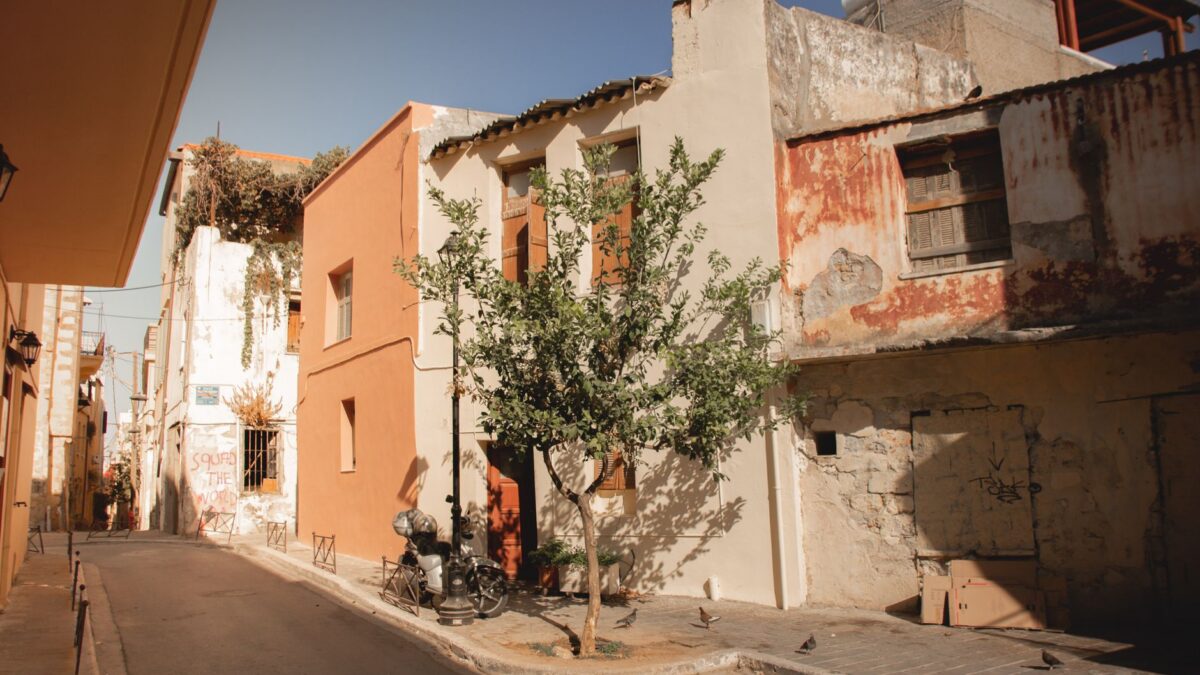
Athens spent three years under German control, from April 1941 to early October 1944. The occupation brought the Great Famine, which killed an estimated 40,000 civilians in the city in the first winters, a resistance movement that shaped the country’s politics, and a German withdrawal that left a power vacuum. This guide follows those years using two Wikipedia articles on the occupation and the famine.
How did the occupation of Athens begin?
Fascist Italy invaded Greece on Oct. 28, 1940, and the Hellenic Army pushed the invaders back into Albania. Germany attacked on April 6, 1941, and, according to the article on the Great Famine, Germans entered Athens on April 27, 1941. By June 1941, after the Battle of Crete, all of Greece was occupied. The government went into exile and the Axis powers installed a collaborationist government, the Hellenic State, which had little real power.
Greece was split into three zones. Germany took the most strategic regions, including Athens and Thessaloniki. Italy held most of the mainland and the Ionian Islands, and Bulgaria annexed Eastern Macedonia and Thrace. After the Italian armistice in September 1943, German forces took over the Italian zone.
What happened in the first weeks?
An American aid worker, Laird Archer, wrote in his journal on April 28 that the “wholesale looting of Athens has begun,” according to the famine article. Food and fuel reserves went first, then vehicles: Syntagma Square filled with seized cars, and bicycles were collected. Shops were emptied through “purchases” paid in newly printed occupation marks, which had no value outside Greece, and goods were shipped to Germany. Hospital and pharmacy supplies were taken as well.
What was the Great Famine?
The Great Famine (Megalos Limos) was a period of mass starvation, with the death rate peaking in the winter of 1941 to 1942. Several causes combined: Axis requisitions, a blockade by the Allies, the damaged state of the country’s infrastructure after the invasion and a powerful black market. The occupiers also confiscated fuel and nearly all transport, including fishing boats and pack animals, which stopped food from moving between regions.
The estimated toll is 300,000 deaths across Greece, with 150,000 in 1941 alone. In Athens, 40,000 civilians died of starvation, and tens of thousands more died in reprisals by the Germans and their collaborators. The Nazi claim at the time was about 70,000 deaths for the whole country.
Pressure from the Greek diaspora and the scale of the suffering eventually led the Royal Navy to lift the blockade in part. Kizilay (the Turkish Red Crescent) distributed supplies through the end of 1941, and the International Red Cross did so from the summer of 1942. Turkey supplied 17,500 tons of food aid until the end of 1946. The situation stayed grim until the occupation ended.
What did the occupation cost Greece?
According to the occupation article, 80% of industry, 28% of infrastructure, 90% of bridges and 25% of forests and other natural resources were destroyed. An estimated 7 to 11% of the civilian population died. Hyperinflation ruined the economy.
The Jewish population was nearly wiped out. Of a pre-war population of 75 to 77,000, around 11 to 12,000 survived, often by joining the resistance or being hidden. Most of those who died were deported to Auschwitz, while Jews in the Bulgarian zone in Thrace were sent to Treblinka. The article says more than 81% of Greek Jews were murdered in Nazi camps.
How did the resistance form?
Resistance groups formed across political lines. The largest was the communist-led EAM (National Liberation Front) and its military wing ELAS (Greek People’s Liberation Army), whose fighters were called andartes, meaning guerrillas. Other groups included EDES (National Republican Greek League) and EKKA (National and Social Liberation). They carried out guerrilla attacks, fought collaborationist Security Battalions and ran espionage networks.
Because Greece’s mountains left only a few roads and rail lines for supplies from Germany, destroying a single bridge could cause serious supply problems for German forces. By 1943 the resistance had freed much of the mountainous interior. Rivalries between the groups turned into armed conflict in late 1943. Historian Mark Mazower wrote that Wehrmacht standing orders were to use terror to keep Greeks from supporting the guerrillas.
How did the occupation end?
Germany and Bulgaria withdrew from the mainland in early October 1944 under Allied pressure, and the Germans pulled out to avoid being encircled by the advancing Red Army. The power vacuum and political polarization set the stage for the Greek Civil War. German garrisons stayed on Crete and some Aegean islands until May and June 1945.
For earlier background on the war’s start, see the piece on Ohi Day and Greece’s refusal in 1940. The Ancient Agora and the Kerameikos are other places to explore the history of the city.
Quick answers
How long did the occupation of Athens last?
From April 1941 until the German withdrawal from the mainland in early October 1944.
How many people died in Athens during the famine?
An estimated 40,000 civilians died of starvation in Athens, out of about 300,000 in the whole country.
Who ran the Greek resistance?
The biggest group was EAM and its military wing ELAS. Non-communist groups such as EDES and EKKA also fought.
Checked against official sources in November 2026. Hours, prices and rules change: confirm on the official page before you go or apply.