Why Syntagma Square Is Called Constitution Square in Athens
Syntagma means Constitution: the square took the name after the Sept. 3, 1843 uprising forced King Otto to grant a constitution at the Old Royal Palace.
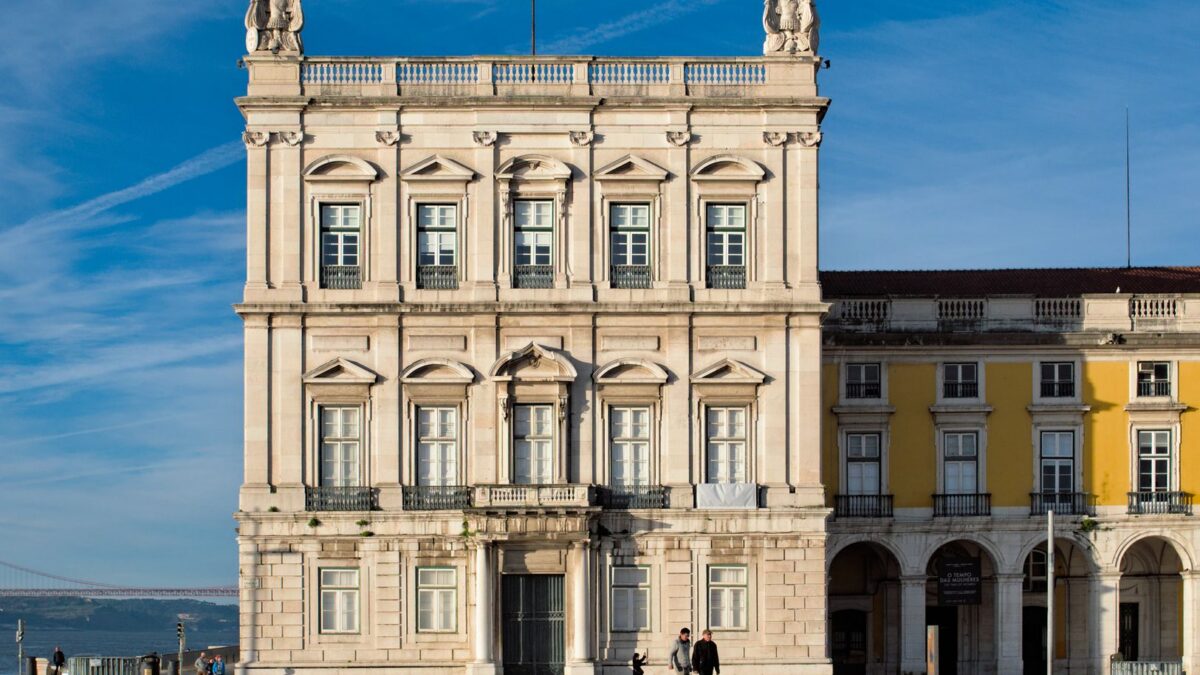
Syntagma is the Greek word for constitution. The central square of Athens received the name after a popular and military uprising on Sept. 3, 1843, which forced King Otto, the first King of Greece, to grant a constitution. Before that the square was known as Palace Square, because it lies in front of the Old Royal Palace, today the seat of the Greek Parliament.
What was Syntagma Square called before 1843?
According to Wikipedia’s page on Syntagma Square, the square was laid out in the early 19th century, soon after Otto moved the capital of the young Greek Kingdom from Nafplio to Athens in 1834. It was planned as one of the two central squares of the modern city, at what was then the eastern edge of town. The other was Omonoia Square, to the north.
The palace was first meant to go up on Omonoia Square, but a site overlooking the eastern square was judged better. That gave the square its first name, Palace Square. Work on the Old Palace began in 1836.
Why did the army march on the palace?
The 3 September 1843 Revolution article on Wikipedia describes an uprising by the Hellenic Army, backed by large parts of the population, against King Otto’s autocratic rule. After the monarchy was set up in 1832, the liberal constitutions of the War of Independence were dropped. Otto and his mostly Bavarian officials governed autocratically for the next 10 years. The system was called “Bavarocracy”, and German was used alongside Greek in state administration.
Greek politicians of every party demanded that the Bavarians go home and that the king grant a constitution. They did not challenge the monarchy itself, and asked the king to grant a constitution instead of imposing one. After repeated refusals the politicians turned to conspiracy. The main conspirators were Yannis Makriyannis, Andreas Metaxas, Andreas Londos, Constantine Zografos, Michael Soutzos and Rigas Palamidis. Officers who joined them included Colonel Dimitrios Kallergis, who commanded the Athens cavalry.
What happened on Sept. 3, 1843?
The conspirators first chose March 25, 1844, the anniversary of the uprising against the Ottomans. The secret leaked, so the plan moved to early September 1843. On the night of Sept. 2 it became known that the police had the conspirators’ names. Kallergis then acted on his own initiative: he collected his men from their barracks and headed for the Old Royal Palace.
The commander of the Athens artillery, Captain Schinas, was ordered to put down the movement and joined it instead. The soldiers reached the palace and shouted “Long live the Constitution!” under the king’s windows. Otto gave way and granted the 1844 Constitution. The article notes that the Council of State had already drafted it in anticipation.
The king asked Metaxas to form a new government and call a new national assembly. The troops went back to their barracks and cheered Otto as a “constitutional” king. The coup was bloodless. France and the United Kingdom accepted the changes, and only Russia condemned them. A constitution was proclaimed in March 1844.
The Wikipedia article gives the date as 15 September in the New Style calendar, so you may see both dates in Greek and English sources.
What is the Old Royal Palace?
As Wikipedia’s article on the Old Royal Palace explains, it is the first royal palace of modern Greece, a neoclassical building facing Syntagma Square. Otto commissioned the Bavarian architect Friedrich von Gärtner in 1836. The foundation was laid that year, and the royal couple moved in in 1843. Sources differ on when the building was finished: the Syntagma Square page says 1843, while the palace page gives 1847.
The palace served as the official royal residence until 1910. A fire damaged it badly in 1909. The monarchy was abolished by referendum in 1924, and the palace then housed government services and later a makeshift hospital during World War II. The palace page says Parliament moved in from the Old Parliament House on Stadiou Street after a government decision in November 1929, while the square page says Parliament has been there since 1934. Pages differ here, so treat the exact year with care.
What can you see at Syntagma Square today?
The square is the central square of Athens and the area around it also carries the Syntagma name. The Parliament building stands across Amalias Avenue (Leoforos Amalias) to the east, with the National Gardens around it. The Parliament is not open to the public. In front of it, the Presidential Guard changes the guard every hour at the Tomb of the Unknown Soldier. On certain days a ceremonial change takes place with an army band, with most of the 120 Evzones (the ceremonial guards) present at 11 a.m.
Underneath the square, metro lines 2 and 3 meet at Syntagma station. The tram has its northern terminal next to the square, and bus line X95 and metro line 3 connect it to Athens airport. Our guide to the Athens tram lines from Syntagma covers the tram routes.
Quick answers
What does Syntagma mean?
It means constitution. Syntagma Square is Constitution Square in English.
Who forced the king to grant the constitution?
Soldiers under Dimitrios Kallergis gathered in front of the palace and demanded it, with support from part of the population.
Can you visit the Parliament inside the Old Royal Palace?
The square page says the Parliament is not open to the public, even when it is not in session. The National Gardens next to it are open.
Checked against official sources in November 2026. Hours, prices and rules change: confirm on the official page before you go or apply.