History of Piraeus: Themistocles, Long Walls, Decline and Return
Piraeus became Athens' port in the early 5th century BC, was walled by Themistocles, declined from the 3rd century BC and grew again in the 19th century.
Piraeus became the port of Athens in the early 5th century BC, when the city moved its trade and its navy to one harbour. Themistocles fortified it after the Persian wars, the Long Walls tied it to Athens by land, and a long decline began in the 3rd century BC. It started growing again in the 19th century, once Athens was made the capital of Greece. Today it is the country’s largest harbour.
The details come from the Wikipedia entries on Piraeus and the Long Walls.
Why did Athens build its port at Piraeus?
Piraeus has been inhabited since at least the 26th century BC. In prehistoric times it was an island, linked to the mainland by a low stretch of land that sea water flooded for most of the year. When the ground dried, it served as a salt field, and its ancient name, Halipedon, means “salt field”. Silt slowly raised the land, and by early classical times the crossing was safe all year.
The site has three deep-water harbours: the main port of Cantharus and two smaller ones, Zea and Munichia. They gradually replaced the older, shallower harbour at Phaleron, which fell out of use. Early in the 5th century BC, plans to make Piraeus the new port of Athens were carried out. A prototype harbour gathered all of the city’s import and transit trade in one place, along with the navy’s base.
What did Themistocles do at Piraeus?
Hippias fortified the hill of Munichia in 511 BC, and Cleisthenes made Piraeus a deme (a local district) of Athens four years later. According to the historian Thucydides, Themistocles began fortification works there in 493 BC. He later advised the Athenians to use the natural harbours instead of the sandy bay of Phaleron. A duty of 2 percent on goods passing through the port raised money for the city. In 399 BC, after the Peloponnesian War, Athens still collected 1,800 talents in harbour dues.
In 483 BC a new silver vein was found in the Laurion mines. The profit paid for 200 triremes (warships), built in the Piraeus shipyards, and the fleet moved to the port. That fleet played a major part in the battle of Salamis against the Persians in 480 BC, and Piraeus stayed the navy’s base from then on. After the second Persian invasion, Themistocles fortified the three harbours and created the neosoikoi (ship houses). The Themistoclean Walls were finished in 471 BC. In the classical period the naval base had 372 trireme shipsheds.
What were the Long Walls?
The Long Walls connected the main city of Athens to its ports at Piraeus and Phaleron, and they were about 6 km long. They gave Athens a constant link to the sea, so enemies who attacked only by land could not starve it into surrender. Building began between 462 and 458 BC, during the First Peloponnesian War, with one wall to Phaleron and another to Piraeus. They were completed soon after the Athenian defeat at the Battle of Tanagra in 457 BC.
A third wall, the Middle Wall, was built in the 440s BC, south of and parallel to the first Athens to Piraeus wall. The two created a narrow protected corridor. Piraeus had by then replaced Phaleron as the main port.
Piraeus was rebuilt on the grid plan of the architect Hippodamus of Miletus, and the main agora of the city was named after him. The plague reached Piraeus in the second year of the Peloponnesian War. Sparta ravaged Salamis in 429 BC as part of a failed attack on the port, and the Spartan alliance fled when an Athenian fleet came to look.
How did the walls fall and come back?
After the Sicilian Expedition, Sparta fortified Decelea north of Athens in 413 BC, and the threat from there pushed Athens behind its walls, resupplied by sea. The Athenian fleet was destroyed at Aegospotami in 405 BC and the city came under blockade by sea and land. In 404 BC the Spartan fleet under Lysander blockaded Piraeus, Athens surrendered after starving, and the peace treaty required the Long Walls to be demolished. Xenophon wrote that they were torn down with celebration.
Athens regained its autonomy quickly. By 395 BC it had begun refortifying and joined the Corinthian War against Sparta, together with Persia. A Persian fleet under Pharnabazus II destroyed the Spartan fleet at Cnidus in 394 BC, then helped rebuild the Long Walls with protection, manpower and money. According to Conon, an Athenian commander employed by the Persians, construction was in its final stages by 391 BC.
The Long Walls kept a central place in Athenian strategy until Philip of Macedon defeated the city. In 337 BC the Athenians began rebuilding them again to resist the siege techniques of the day, but they could not use the new walls until Alexander the Great died in 323 BC. By then the Athenian navy had been crushed at Amorgos in the Lamian War, Athens was subordinate to Macedon, and a naval strategy built on the walls was ruled out.
When did Piraeus decline, and how did it return?
Beginning in the 3rd century BC, Piraeus went into a long period of decline. It began growing again in the 19th century, after Athens became the capital of Greece.
The 2021 census counted 168,151 people in the municipality, the fourth largest in Greece and the second largest in the Athens urban area. The wider regional unit, with four other suburban municipalities, has 448,051. The city lies eight kilometres southwest of the centre of Athens on the Saronic Gulf and hosted events of the 1896 and 2004 Olympics.
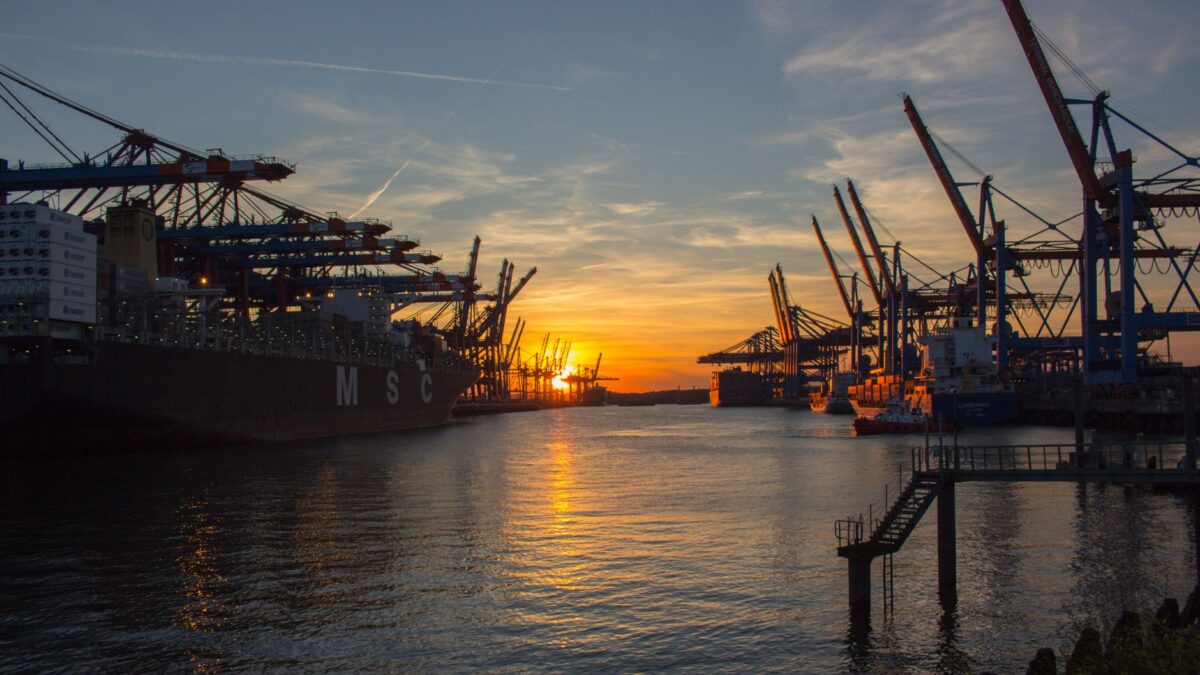
The port is the chief port of Greece. It is the 5th largest passenger port in Europe and the 24th largest in the world, with about 4.37 million passengers in 2020 and a throughput of 5.44 million TEUs (container units). That makes it the busiest container port in the Eastern Mediterranean. Visitors who want to use it today can read how Piraeus compares with Rafina and Lavrio for island ferries, and the government’s funding plan for ports and ferries covers where the investment is headed.
Quick answers
Who built the walls around Piraeus?
Themistocles fortified the three harbours after the second Persian invasion, and the Themistoclean Walls were completed in 471 BC. The Long Walls were added later under Cimon and Pericles.
How long were the Long Walls?
They were about 6 km long and connected the main city of Athens with the ports at Piraeus and Phaleron.
Why did Piraeus decline?
Piraeus entered a period of cumulative decline beginning in the 3rd century BC. By then Athens was subordinate to Macedon and the walls no longer served a naval strategy.
Checked against official sources in November 2026. Hours, prices and rules change: confirm on the official page before you go or apply.