Greece Adds €32 Million for Ferries, Total Aid Hits €92 Million
Greece will pay ferry operators €0.16 per liter of marine fuel from Sept. 1 to Dec. 31, 2026, to hold fares and keep winter island routes running.
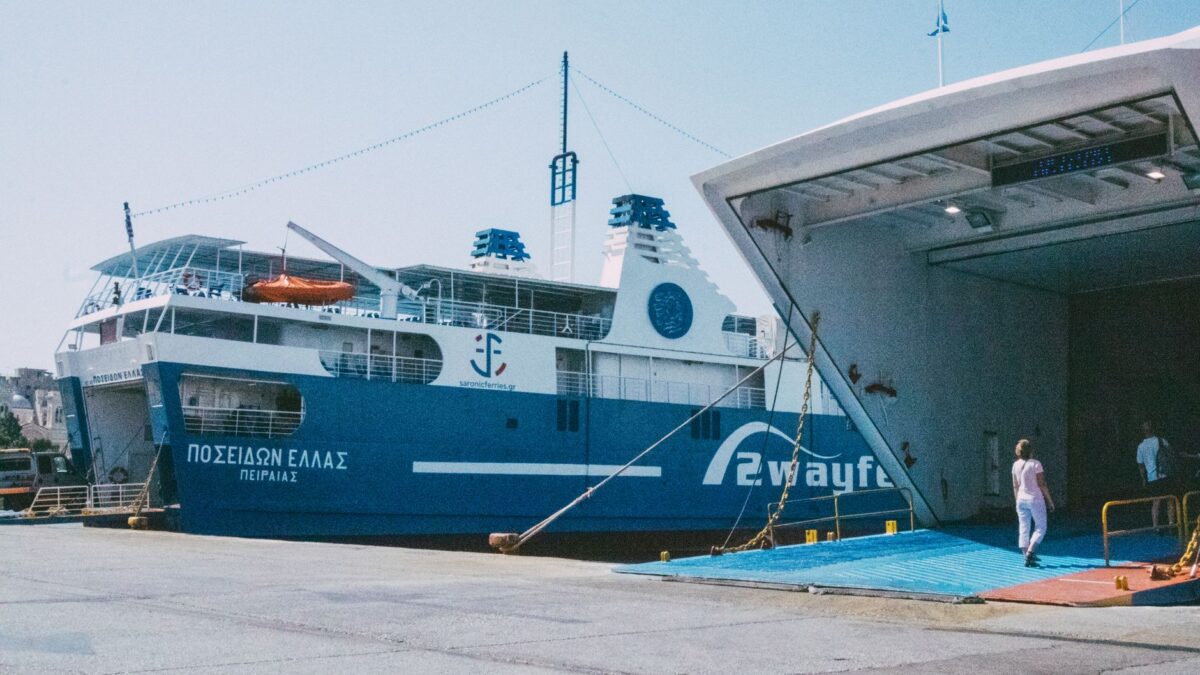
The Greek government is giving ferry companies another €32 million to cover higher marine fuel costs, Shipping and Island Policy Minister Vassilis Kikilias announced. With this round, state help for coastal shipping this year comes to €92 million, according to To Vima and OT.gr.
The aim is to stop ticket prices from rising and to keep boats sailing to the islands through the winter, when fewer people travel and routes earn less.
How the new subsidy works
Operators will get €0.16 for every liter of marine fuel they used between Sept. 1 and Dec. 31, 2026. The money goes to two kinds of routes: ordinary commercial lines, and public service obligation routes, which the state already supports because they would not pay for themselves.
The ministry acted after ferry firms said that dearer fuel, on top of the usual drop in passengers in autumn and winter, might force them to reduce sailings.
Two earlier rounds kept summer fares flat
This is the government’s third move to hold down fares. Together, the earlier two kept prices flat in the summers of 2025 and 2026, ending a seven-year run of yearly increases.
- In 2025, companies planned fare rises of 12% to 15% from May 1, blaming the EU-mandated switch to cleaner and more expensive marine fuels. Kikilias, who became shipping minister in March 2025, worked with the Prime Minister’s Office to cut port fees by 50%. The increases did not happen, and high-speed services offered discounts of up to 32%.
- In 2026, with fuel prices pushed up again by the war in the Middle East, Prime Minister Kyriakos Mitsotakis approved a proposal from Kikilias for the state to pay, for the first time, for the compulsory discounts ferry firms give to students, large families and people with disabilities. That scheme was worth up to €60 million, and fares stayed the same for a second summer.
What it means for passengers and island residents
For anyone travelling to the islands, or living on one, the subsidy is meant to keep current fares in place through the end of the year and to stop operators from cutting winter connections. By paying part of the fuel bill, the state gives companies less reason to raise prices or drop routes; fares themselves are not being cut.
Kikilias told Ta Nea that for many people in Greece the ship is everyday transport, and that his pledge since taking over the ministry has been to keep ticket prices under control. He said islanders “must be able to travel” to the mainland without interruption, and that the government would keep acting within what the country can afford while Greece, like the rest of Europe, deals with the fallout of wars and the energy crisis.
Readers who regularly sail out of Attica can compare the main departure points in our guide to choosing between Piraeus, Rafina and Lavrio for island ferries.
What to watch next
The fuel subsidy covers the period up to Dec. 31, 2026. The government has not said what support, if any, will follow once it ends, or how fares will be set for next summer.
Sources: OT.gr, To Vima International Edition