Polytechnic Uprising Anniversary on Nov. 17: What Closes in Athens
Nov. 17 marks the 1973 Athens Polytechnic uprising. Schools close, a march goes to the US embassy and central roads and metro stations shut for hours.
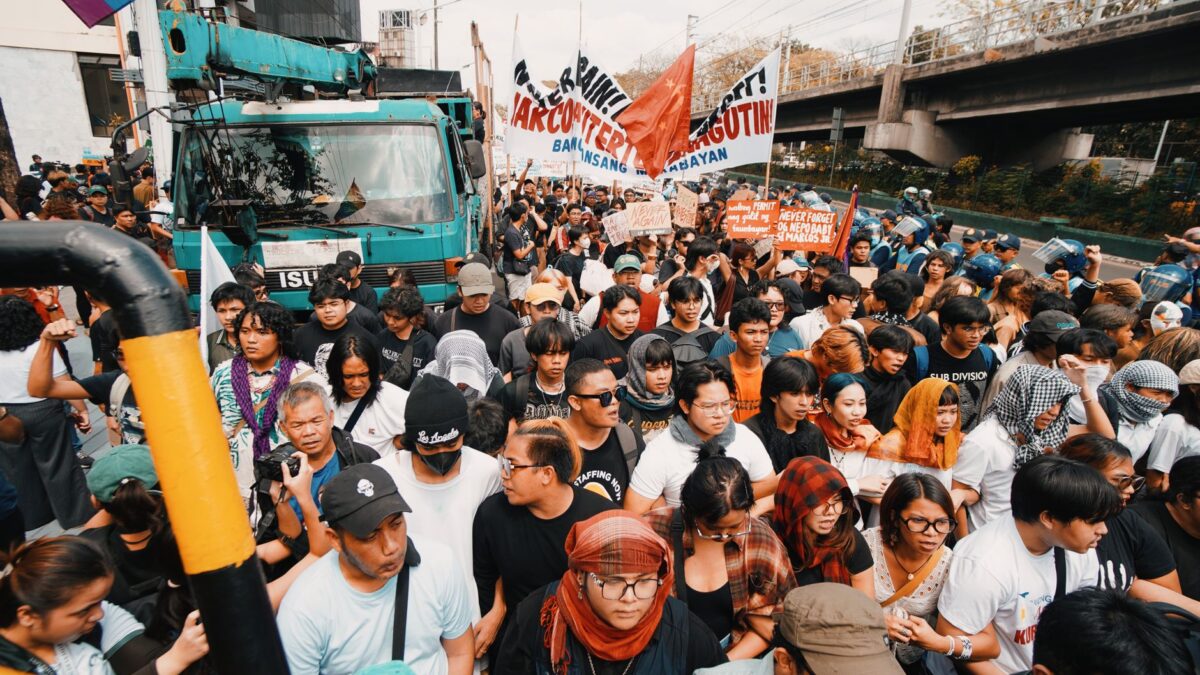
Nov. 17 is the anniversary of the 1973 Athens Polytechnic uprising, a student revolt against the military junta that ended when a tank broke through the campus gates. Schools do not hold classes that day, and in the afternoon a march goes from the Polytechnic to the US embassy, closing roads and metro stations in central Athens for several hours. Shops, banks and offices otherwise work as on any weekday.
What happened at the Polytechnic in 1973?
Students occupied the Ethniko Metsovio Polytechneio (the National Technical University of Athens, known simply as the Polytechneio) on Nov. 14, 1973, and the protest grew into an open revolt against the junta that had ruled Greece since 1967. The account on Wikipedia’s page on the Athens Polytechnic uprising traces it day by day.
Protest had been building for months. On Feb. 21, 1973, law students barricaded themselves inside the Law School of the University of Athens and demanded the repeal of a law on forcible conscription. In November the Polytechnic students went on strike, an assembly voted to occupy the buildings, and police who gathered outside did not manage to get in. The occupiers called themselves the “Free Besieged,” after a poem by Dionysios Solomos, and their slogan was “Psomi, Paideia, Eleftheria” (Bread, Education, Liberty).
On Nov. 15 thousands of Athenians came to support them. Students built a radio transmitter from laboratory equipment and broadcast appeals for solidarity across the city. Construction workers set up their own committee beside the students’ coordinating body, and farmers from Megara who were protesting in Athens on the same days joined in. By Friday, Nov. 16, the coordinating committee had declared that the aim was to bring down the junta, and demonstrators attacked nearby ministries while central roads were closed.
The occupation ended in bloodshed in the early morning of Nov. 17, after a tank crashed through the Polytechnic gates. Research published in 2004 by the National Hellenic Research Foundation found that at least 24 people died that day because of direct or indirect actions by the army and police. Wikipedia’s summary table gives a higher toll of 40 dead, 24 of them identified and 16 unidentified, so the figures differ depending on the count used.
Why does the date still matter in Greece?
The uprising was the first in a series of political crises that brought the junta down in the summer of 1974. Greeks treat it as the moment the dictatorship lost its hold, and the anniversary is observed every year with wreaths at the Polytechnic and a march through the city.
It also changed politics on the left. According to the same source, the events opened a break between Greek youth and the traditional Communist Party (KKE), whose student organizations had not endorsed the occupation at the start, and they began a revival of anarchism in Greece. The terrorist organization 17N later took its name from the date.
Why do schools close on Nov. 17?
The day is a school holiday in memory of the students, so primary and secondary schools hold no lessons. Many schools mark the anniversary with speeches or events on the day itself or the school day before, and universities also suspend classes.
Parents who work should plan childcare, because Nov. 17 is not a public holiday for employees. Public services, banks, supermarkets and most businesses keep normal hours. Our list of Greek public holidays and what closes on each shows the days when the whole country does stop.
Why does the march go to the US embassy?
The march ends at the US embassy because many Greeks hold the United States responsible for backing the junta. The demands of the 1973 occupation were already anti-imperialist and anti-NATO, as the source notes, and the route keeps that message.
Marchers gather near the Polytechnic on Patission Street in the afternoon and walk through the center, past Syntagma Square and along Leoforos Vasilissis Sofias to the embassy. Student groups, trade unions and political parties take part in separate blocks. The march itself is usually peaceful. Clashes between small groups and riot police have often followed in the evening, mostly in Exarchia, the neighborhood next to the Polytechnic.
What closes in central Athens on the day?
Roads along the march route close to traffic from the early afternoon, and Elliniki Astynomia (the Hellenic Police) orders central metro stations shut for the duration. The details change every year and are announced a day or two ahead.
- Streets around the Polytechnic are closed to cars, in some years from the days before, while people lay flowers and wreaths inside the grounds.
- Metro trains normally pass through the closed central stations without stopping. Check which ones on the morning of the day and learn the alternatives in our guide to Athens metro lines and interchanges.
- Buses and trolleys that cross the center are diverted or cut short.
- Shops and cafes near the route often close early.
- The police presence is heavy around the embassy, Syntagma and Exarchia.
OASA (the Athens urban transport authority) and the police publish the closures before the day. Times and station names should come from those announcements, since the source used here does not list them.
What should residents and visitors do?
Plan to finish anything in the center by early afternoon, or leave it for another day.
- Check the police and OASA announcements on the evening before for road and station closures.
- Travel to the airport or Piraeus early if your route crosses the center.
- Avoid driving or parking near Patission Street, Syntagma and Vasilissis Sofias.
- Stay away from Exarchia in the evening if you want to avoid possible clashes and tear gas. People choosing where to live can read about the area in our comparison of Athens neighborhoods for newcomers.
- Arrange childcare if you work, since schools are closed and workplaces are open.
Quick answers
Is Nov. 17 a public holiday in Greece?
No. It is a holiday for schools and universities only. Employees work as usual.
Can I visit the Polytechnic on the anniversary?
The grounds on Patission Street are traditionally open to the public in the days leading up to Nov. 17 for people who want to leave flowers. Access on the day of the march is limited by the crowds and road closures.
How many people died in the uprising?
The figures differ. A 2004 study by the National Hellenic Research Foundation counted at least 24 deaths on Nov. 17, 1973, while Wikipedia’s summary lists 40.
Did the uprising end the junta?
Not directly. The students were suppressed, but the crisis it started led to the fall of the junta in the summer of 1974.
Checked against official sources in November 2026. Hours, prices and rules change: confirm on the official page before you go or apply.