Georgiadis Repeats ‘No Deaths’ Claim on 1973 Polytechnic Uprising
Health Minister Adonis Georgiadis again said no one died at the Polytechnic in 1973. Here is what the records show and how parties and the PM responded.
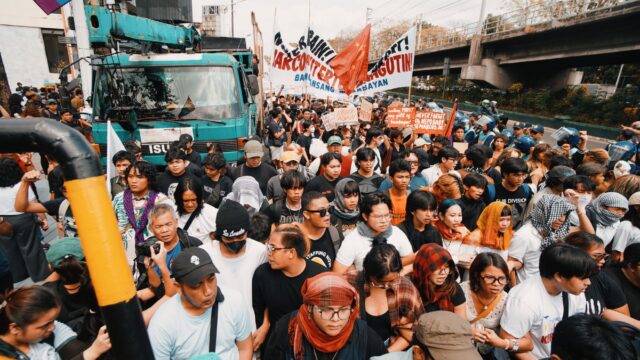
Health Minister Adonis Georgiadis has again claimed that nobody was killed at the Athens Polytechnic during the November 1973 student uprising against the military junta, Keep Talking Greece reported. He made the remarks one day before the 53rd anniversary on Nov. 17, and opposition parties, along with at least one MP from his own New Democracy party, condemned them.
Research published in 2004 by the National Hellenic Research Foundation counts at least 24 to 26 people who died through direct or indirect actions of the army and police, in the streets around the Polytechnic and across central Athens. Hundreds more were injured.
What Georgiadis said on the radio
Asked on Parapolitika 90.1 FM, a station the outlet describes as close to the government, whether anyone died at the Polytechnic, Georgiadis pointed to the so-called Tsevas report. Public prosecutor Dimitrios Tsevas led the preliminary judicial inquiry into the uprising after an official order on Sept. 5, 1974, and his report appeared in October 1974. It stated that none of the Polytechnic students were killed during the three days of the revolt.
Georgiadis, who is also vice president of New Democracy and was formerly a member of the nationalist party LAOS, has cited that report several times before. He told listeners to read it for answers to their historical questions.
What the later research found
The 2004 study placed the deaths both inside the wider area around the Polytechnic and elsewhere in the city centre. According to Keep Talking Greece, the junta itself admitted to at least 12 deaths, while maintaining that none happened inside the Polytechnic grounds. Much of the dispute rests on that distinction between deaths on the campus and deaths in the surrounding streets.
Reactions in Parliament and from the parties
On Tuesday morning, as the plenary session of Parliament observed a minute of silence for the anniversary, New Democracy MP Giorgos Amyras said it made no sense to argue over whether the victims died inside or outside the campus. He spoke of 24 victims, or 26 under the revised findings of the research foundation, and did not name the minister.
Kostas Laliotis, a veteran PASOK official who took part in the uprising, said 22,000 bullets were fired against civilians and urged people to send the names of the dead to the New Democracy vice president.
Other parties went further:
- SYRIZA said Prime Minister Kyriakos Mitsotakis must take responsibility for his minister and that the dead of November have names and families.
- New Left accused Mitsotakis of giving Georgiadis free rein and keeping channels open to fascists.
- ELAS, the party linked to Alexis Tsipras, called the remarks a deliberate spread of a far-right narrative that distorts historical memory.
- KKE, the Communist Party of Greece, said responsibility lay with the whole of New Democracy, its parliamentary group, the government and Mitsotakis personally.
- Freedom Course called those who deny the junta’s crimes traitors.
What the prime minister said
Mitsotakis did not address the minister’s comments in his anniversary message. He said Greece honours the uprising and those who fought in it 53 years later, and described the students’ courage and faith in democracy as “a national compass” for the country’s plans toward 2030.
Why it matters for people in Athens
The anniversary on Nov. 17 is a public commemoration in the capital, and our guide to what closes in Athens on the anniversary covers the practical side of the day. A senior minister questioning the death toll on the eve of the anniversary has turned a day of remembrance into a political fight. The opposition is demanding that the prime minister take a public position on his deputy party leader’s statements, and so far his message has not mentioned them.
Source: Keep Talking Greece