Report Claims Olive Oil Bottlers in Greece Earn Margins Up to 180%
A report claims bottlers earn up to 180% on Greek olive oil while farmers get €3.10 to €3.50 a kilo. Shelf prices, labels and the government response.
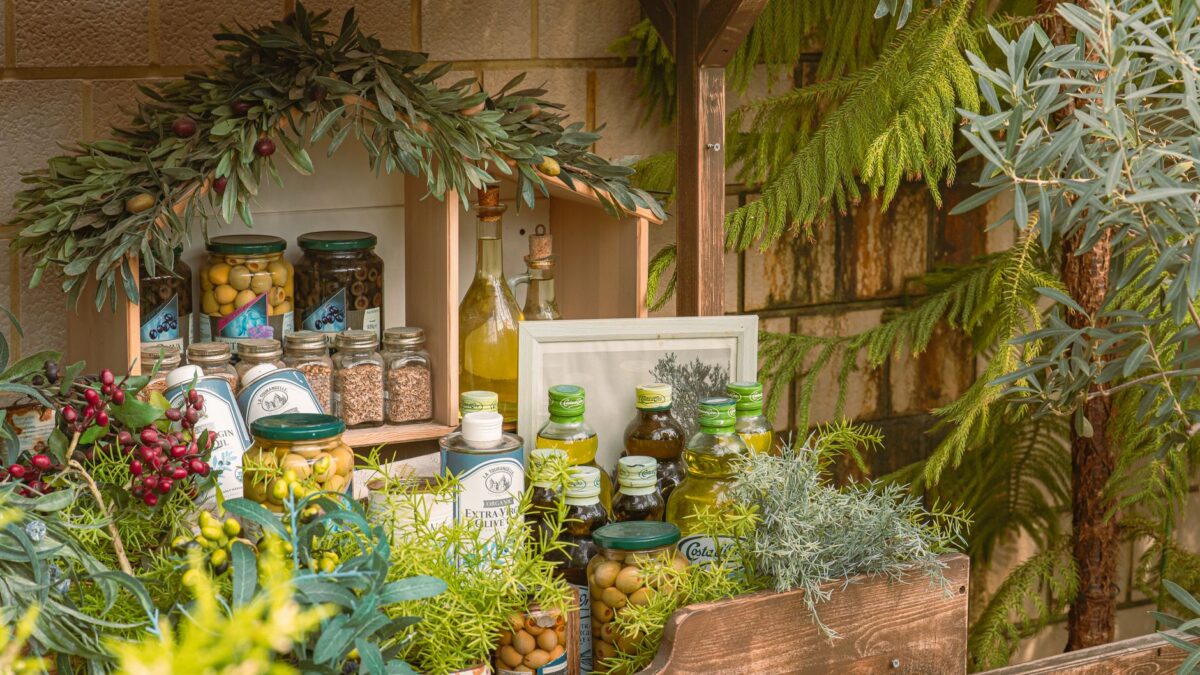
Greek olive oil producers are getting prices that barely cover their costs, while supermarket shoppers still pay high prices for the same oil, according to a report in Greek financial media that Greek City Times republished on Nov. 16. The report claims bottlers and distributors earn margins of up to 180%.
The figures are allegations. Greek City Times says it has not verified them independently, and the companies named in the report have not been quoted.
Farm prices against supermarket prices
According to the report, extra virgin olive oil with acidity below 0.5% traded wholesale at €3.10 to €3.50 per kilogram. On supermarket shelves, oil of the same grade costs €6.40 to €8.80 per litre.
The report also points to the units used. Bottlers buy oil by the kilogram and sell it by the litre, and a litre of olive oil weighs about 915 grams. The report says this gap lowers the cost of the raw oil in each bottle sold.
Claims about “Classic” labels and early-harvest oil
The report says refined oils sold by major brands under “Classic” labels give bottlers even higher margins. It also says early-harvest oil, known in Greek as agoureleo, has been pulled from the main distribution channels over two years. The report suggests this makes direct price comparisons harder and protects margins on older stock.
A further claim is that bottlers often blend high-quality oil with virgin oils that cannot be traced. The report blames gaps in the rules on showing acidity on labels and cites European Regulation 2568/91. None of these claims has been independently checked.
What the government says
Minister Theodorikakos has pointed to an 8% fall in shelf prices after agreements with supermarkets. Critics quoted in the report reply that this cut is small next to the much steeper drop in what producers are paid.
Why it matters for shoppers and growers
If the report’s numbers hold, the fall in what farmers receive has reached supermarket prices only in part, and shoppers in Greece are paying for the difference.
For growers, the report describes costs that keep rising. Fertiliser, fuel and labour are all more expensive, and Greek producers mostly face these costs without help. The report contrasts this with Spain, where the government steps in to withdraw surplus oil and steady prices. Greek City Times reported earlier this month that Spain’s intervention has drawn criticism of its own and could keep shelf prices in Greece higher for longer.
Labour rules and taxes on part-time growers
The report says red tape makes it hard to hire migrant workers legally, which pushes farmers toward informal work they cannot declare. For people who grow olives part time, it says progressive taxation, where the tax rate rises with income, makes the crop uneconomical.
If the squeeze goes on, the report warns, Greek olive groves could be abandoned over time and the market could depend more on lower-quality imports from Tunisia and Turkey.
Source: Greek City Times