Old Acropolis Museum Reopens After 19 Years With 750 Finds
The Old Acropolis Museum reopened on the Sacred Rock after nearly 19 years, with 750 artefacts on show, an AI exhibition and a €45 combined ticket.
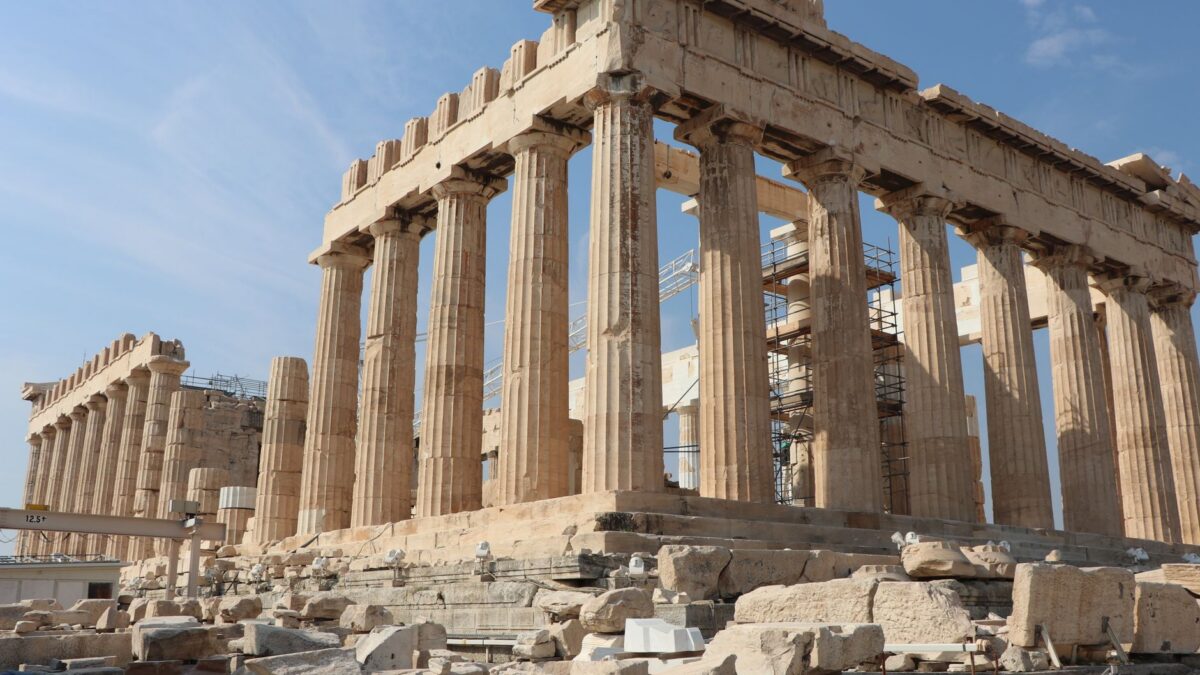
The Old Acropolis Museum, the building behind the Parthenon that housed the Sculptures of Phidias for more than a century, reopened to the public on Monday afternoon after almost 19 years. Prime Minister Kyriakos Mitsotakis inaugurated it earlier in the day, according to Proto Thema English. The combined Acropolis and museum admission ticket costs €45.
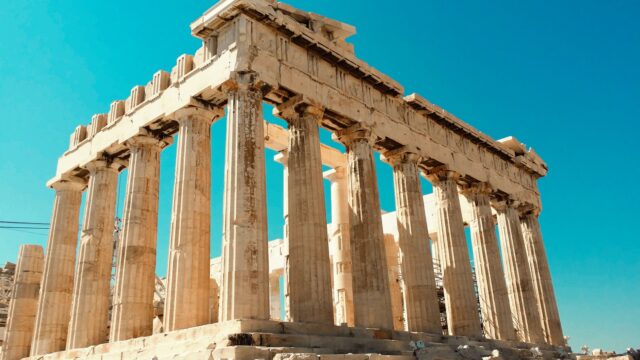
The building has been closed since 2007. It sits largely beneath the surface of the hill, opposite the Parthenon’s entrance, and now hosts four exhibitions that follow the history of the Acropolis through the centuries.
Hundreds of finds on show for the first time
The temporary exhibition “Athens: City, Idea” displays more than 750 artefacts out of 2,000 that had been held in storage, said Elena Kountouri, head of the Ephorate of Antiquities of the City of Athens (the state archaeological authority for the capital). The objects come from long-running excavations in Attica, and most are being shown for the first time.
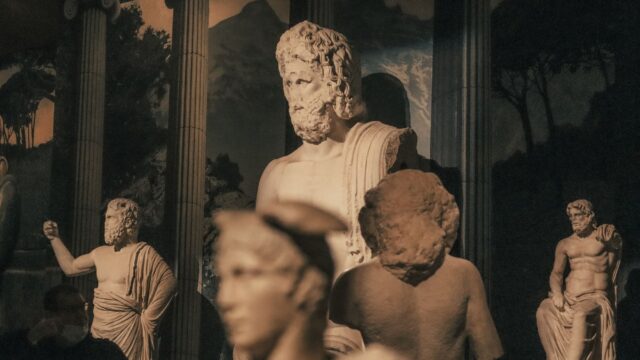
The items range from huge and miniature sculptures to inscriptions, black-figure and red-figure vases, funerary monuments, coins and jewellery. They cover a span from the Neolithic era to the height of Athenian power and trace the city’s institutions, religion, economy and political ideas.
Along the gallery walls, iron shelving units hold more than 100 inscribed stones from the Acropolis. They include decrees of the Council and the Assembly, treaties with other cities, lists of officials and dedications by magistrates. Proto Thema describes the display as a second, parallel exhibition that resembles an open archaeological storage room.
“Parthenon Alive” brings the frieze to life with AI
The digital exhibition “Parthenon Alive” was developed by a team at the Digital Media Laboratory of the School of Architecture at the Technical University of Crete, with support from the Ephorate. It presents selected scenes and figures from the 160-metre Parthenon frieze in motion, including the Panathenaic procession. Visitors also see holograms of 100 monuments that once stood on the Acropolis and its slopes, built from 21,000 unique sketches.
The creators say that while AI is pushing digital imagery toward photorealism, the exhibition uses it to move the digital into the tangible and material world. Marianna Latsis sponsored the equipment and attended the inauguration.
First contemporary art show on the Acropolis
The Ministry of Culture and the cultural organisation NEON organised an exhibition by Iranian-American artist Michael Rakowitz, the first contemporary art exhibition ever hosted on the Acropolis. It is the last part of a trilogy he created in Greece, curated by Elina Kountouri. Its title, “What You Leave Behind Is Not What Is Engraved,” refers to Pericles’ Funeral Oration of 430 BC.
The work draws on testimonies from people who have experienced migration, from Asia Minor refugees who sheltered on the Rock in 1922 to refugees and asylum seekers today. It includes an installation of 500 bricks on the shelves of a stepped kiln and a large model of the bare Acropolis hill surrounded by handwritten testimonies.
“The bricks are the reserve: material for a city that has not yet been built,” Rakowitz said. NEON founder Dimitris Daskalopoulos called exhibiting next to the Parthenon “the greatest of privileges.”
What this means for visitors
The Acropolis now has an indoor site on the hill itself, so a visit can include the museum under the same €45 combined ticket. For residents, the reopening returns a closed building to the city’s cultural programme and puts material from Attica’s storerooms on public view. For tickets, hours and the separate New Acropolis Museum below the hill, see the Acropolis Museum guide.
Source: Proto Thema English