Acropolis Museum Opens Ancient Armenia Show With 200 Artefacts
The Acropolis Museum in Athens is showing about 200 artefacts from ancient Armenia until Feb. 28, 2027, with a focus on the Kingdom of Urartu.
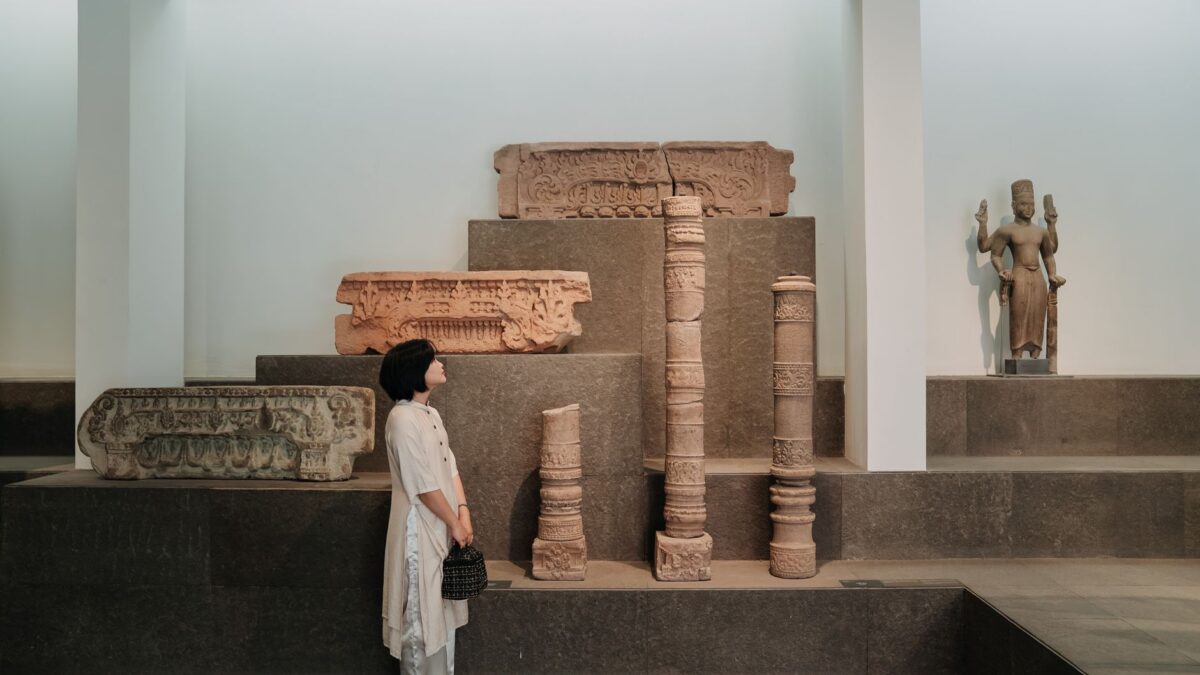
Visitors to the Acropolis Museum in Athens can now see about 200 objects from ancient Armenia, in an exhibition called Ancient Armenia that stays open until Feb. 28, 2027. Greek City Times, relaying the AMNA news agency, reports that the pieces cover thousands of years, from prehistory to late antiquity. The show is the first in a planned series on ancient civilizations that Greek and European audiences know little about.
The Athens museum put it together with the History Museum of Armenia. Its objects are grouped by era: Stone Age (Palaeolithic and Neolithic), Bronze Age, Early Iron Age, classical and Hellenistic times, the Roman imperial period and late antiquity.
Why Urartu gets the most attention
Curators gave special weight to the Kingdom of Urartu, a state that thrived from the ninth to the sixth century BC. What survives of its culture sheds light on how the ancient Near East, the eastern Mediterranean, Cyprus, Crete and the Aegean were connected in the Early Iron Age.
Museum Director General Nikolaos Stampolidis said the goal is to present a part of Armenian history that is mostly overlooked. In his words as reported, people in Europe tend to picture Armenia through its modern history and Christian past, themes that earlier shows in Athens and elsewhere in Europe have already covered. Urartu, he said, is among the region’s most fascinating chapters, and its cultural growth and foreign contacts, including those reaching past Assyria, have been studied too little.
Metalwork counts among Urartu’s main accomplishments. The displayed objects are meant to test whether the kingdom had direct or indirect ties to the Aegean and eastern Mediterranean, including shared religious or ideological practices.
From Urartu to the Armenian Empire
Urartu arose in the ninth century BC in lands that now belong to eastern Turkey (around Lake Van), Armenia and north-western Iran. By the eighth century BC it stood among the strongest powers of the ancient Near East. Early Armenian statehood and culture later built on what it left behind.
A second period of growth came under Tigranes II the Great, who reigned from 95 to 55 BC. He defeated the Parthians and Seleucids and built an empire stretching to the Caspian Sea in the east, the Black Sea in the north-west and the Mediterranean in the south-west.
It did not last. Roman campaigns in 69 and 66 BC stripped Armenia of much of its land. In 387 AD the Byzantine (Eastern Roman) and Sasanian Persian empires split the country between them, ending its political unity. Present-day Armenia covers a share of that historic territory, and most exhibits come from there.
What this means for visitors
A video in the museum’s screening room traces links between ancient and modern Armenia. Our Acropolis Museum guide has ticket and floor details. Another stop for ancient history is the Kerameikos cemetery and museum.
Greek-Armenian cooperation
Davit Poghosyan, who heads the History Museum of Armenia, said the show reflects old cultural ties between the two countries and that Athens offers an exceptional stage for it. Armenia’s ambassador to Greece, Tigran Mkrtchyan, said he met Greek Culture Minister Lina Mendoni in 2024, when she voiced strong interest in hosting such a show. He added that Armenian Education, Science, Culture and Sports Minister Zhanna Andreasyan and Poghosyan backed the plan.
Both culture ministries and the Armenian Embassy in Athens supported the project.
Source: Greek City Times