Winter Storms and Flash Floods in Attica: Warnings, 112 and What to Do
Flash floods in Attica can follow a few hours of heavy rain. How official warnings reach you, what to do when a 112 message arrives and how tenants can prepare their building.
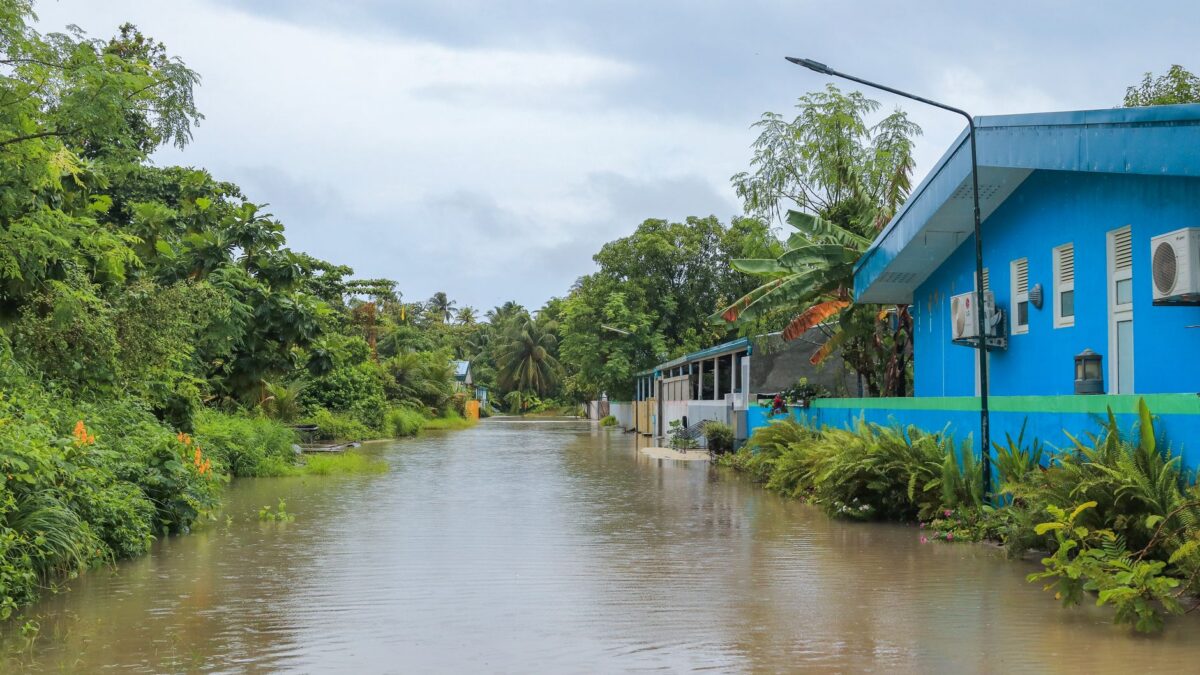
In Attica, storm warnings come from the Hellenic National Meteorological Service (EMY), which issues an emergency bulletin (ektakto deltio epideinosis kairou) when heavy rain, storms or strong winds are expected. When a specific area is at risk, Civil Protection sends a 112 message to every phone there, in Greek and English. Follow its instructions straight away.
The deadliest floods in Attica in recent years were sudden flash floods, not slow-rising rivers. In November 2017, a flash flood in Mandra and Nea Peramos in western Attica killed 24 people. Heavy rain in Attica often comes in short bursts between October and March, and dry streambeds and paved roads can fill within an hour.
How does EMY issue weather warnings?
EMY, part of the Ministry of Defence, is the official national weather service. When it expects dangerous weather it publishes an emergency bulletin on its website, usually a day or two ahead, listing the regions affected, the expected start and end, and the hazards: heavy rain, thunderstorms, hail, strong winds or snow.
The bulletin goes to the General Secretariat for Civil Protection, which decides whether to convene local authorities, open coordination centres and send 112 messages. Regional and municipal authorities then decide on measures such as closing schools or parks. News sites and TV report the bulletin, but the original source is EMY. Other forecasts, such as those from the National Observatory of Athens, are useful but are not the official warning.
What does a 112 message mean and what should you do?
A 112 message is a cell broadcast alert that reaches every phone in the area, including foreign SIM cards, with a loud alarm tone. It is used only for an immediate risk, such as a flash flood, wildfire or earthquake. The text is short and says what to do: stay indoors, avoid travel, move to higher floors or evacuate along a given route.
- Read the whole message. The English text follows the Greek one.
- Do what it says right away. Do not drive to “check” a flooded road.
- Stay away from streams, ravines, underpasses and basements.
- Keep your phone charged and follow official updates.
- Call 112 only for an emergency, so lines stay free for people in danger.
The national 112.gov.gr site explains the service and gives general advice in English. Our page on emergency numbers in Greece lists the other numbers to keep in your phone.
Which parts of Attica flood most often?
Flooding in Attica follows the old streams and torrents (remata), many of which have been built over or narrowed. Areas that have repeatedly seen flooding during heavy rain include:
- Western Attica, such as Mandra, Elefsina and Nea Peramos, where streams come down from the mountains;
- the basin of the Kifisos and the roads along it;
- low points on coastal roads in the southern suburbs, where water collects before reaching the sea;
- road underpasses across the city, which can fill quickly;
- areas below hills burned in recent wildfires, where soil cannot hold water.
Within a neighbourhood, the risk is highest in basement flats, ground floors on sloping streets and garages below street level.
How are school closures and remote work announced?
When an EMY bulletin covers Attica, the Region of Attica and the municipalities can close schools for a day, usually announcing it the evening before or early that morning. The decision appears on the Region’s and municipalities’ websites and in the news. On days of severe weather the government has in some cases asked public services to work with minimum staff and urged private employers to allow remote work. Those are recommendations unless a specific decision says otherwise, so check with your employer.
Public transport usually keeps running, but buses can be diverted and some metro entrances may close if water gets in. STASY and OASA post changes on their sites.
How can you follow alerts in English?
- 112 messages arrive in Greek and English automatically; make sure emergency alerts are switched on in your phone settings.
- EMY publishes bulletins on its website; the main text is in Greek, and a browser translation is usually enough to read the regions and times.
- Civil Protection posts announcements on its website and social media accounts.
- Your municipality often posts local measures, such as park closures, on its site and social pages.
What should tenants check in their building before storms?
Many floods inside Athens apartment buildings start on the roof or in a blocked drain, not from a river. Before the rainy season, it is worth checking:
- that balcony and roof drains are clear of leaves and rubbish;
- that the building’s ground-floor and basement drains are clean, and whether a sump pump exists and works;
- where the main electricity switch is, in case water gets near sockets;
- that nothing valuable is stored on basement or storage-room floors;
- whether your contents are covered by any home insurance, and what the landlord’s building insurance covers.
Common-area maintenance is usually handled by the building manager and paid through the common charges, so report blocked drains to the manager early. If you are looking for a flat, ask whether the street or basement has flooded before; our guide to renting an apartment in Athens lists other questions to ask before you sign.
Bottom line
When an EMY bulletin covers Attica, move your car out of underpasses and low streets the evening before and stay home during the peak hours. Treat a 112 message as an instruction, not a forecast.
FAQ
Will a 112 message reach a phone with a foreign SIM card?
Yes. Cell broadcast alerts reach all phones connected to the network in the area, including roaming phones, as long as emergency alerts are enabled.
Is it safe to drive during a storm warning?
Avoid it if you can. Many deaths in flash floods involve people in cars or crossing flooded roads. Thirty centimetres of moving water can carry a car.
Who pays for flood damage in a rented flat?
It depends on the lease, the cause and any insurance. Report damage to the landlord in writing with photos straight away, and check the building and contents policies.
Where can I see the current warning?
The current EMY bulletin is on the EMY website, and active alerts are listed by Civil Protection. News sites repeat them, but check the date and time of the bulletin they quote.