Athens Mayor Doukas Counts 6.800 Dangerous Buildings, Seeks Law
Mayor Haris Doukas says Athens has logged 6.800 dangerous buildings in 35 years, 70 of them near collapse, and asks for a law and state funding.
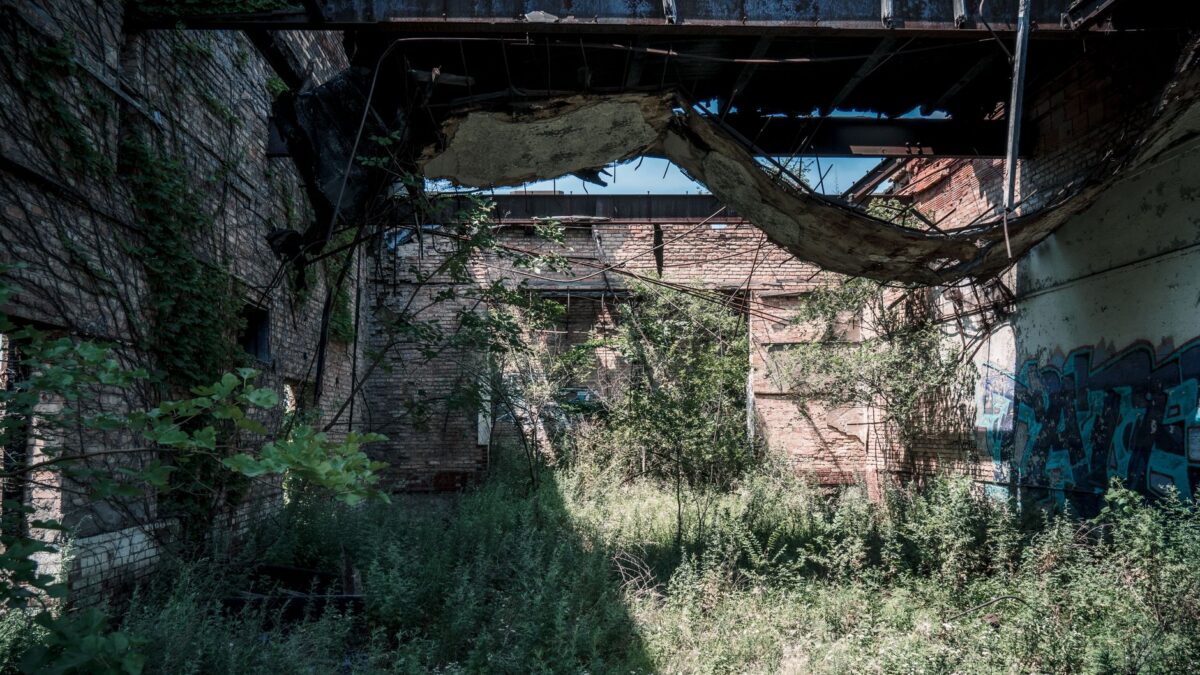
Athens has recorded 6.800 dangerous buildings over the past 35 years, Mayor Haris Doukas said in a social media post reported by the Greek outlet iefimerida. Seventy of them have been ruled dangerously dilapidated, the category for buildings in danger of collapse. The mayor wants national legislation and substantial state money to deal with them.
Doukas leads Dimos Athinaion (the Municipality of Athens). According to the figures in his post, thousands of applications for new danger classifications are still waiting to be processed, so the number of flagged buildings may grow.
What the mayor said
Doukas wrote that the city administration is the only authority that has actually started demolishing such buildings, and that it will keep doing so.
He also argued that demolition alone cannot solve the problem. In his view, Athens needs one large intervention with two goals: saving buildings that keep the identity of the city alive, and getting rid of those that threaten people. The post described this as a plan for urban intervention that treats historic and architectural value together with public safety.
What the city is asking for
The municipality says the work cannot go faster without two things from the national government. The first is a clear legislative provision that sets out how such buildings are handled. The second is what Doukas called generous funding, meaning real state money rather than promises. According to iefimerida’s account, the city believes both are needed to speed up the procedures that are currently slow.
The post ended with a short line saying Doukas will return to the subject.
Why it matters for people in Athens
For residents, the numbers describe a long-running urban problem rather than a single incident. A count of 6.800 recorded buildings across 35 years shows how many properties the authorities have had to assess, and the 70 buildings classed as dangerously dilapidated are the cases the city treats as most serious.
Tenants, homeowners and neighbours of run-down properties are the people most directly affected. The mayor presents public safety as the main reason to act, and he links it to the fate of buildings that give parts of the city their historic and architectural character. The pending applications also mean that more buildings could be formally classified as dangerous in the coming period.
The decisions on law and funding sit with the national government, not with the city. The mayor’s post is a public request to the government to take them up.
What to watch next
Doukas has said the municipality will continue demolitions and will come back to the issue. Readers who live near neglected buildings can follow the municipality’s announcements for any new classifications or demolitions, and watch whether the government responds with the legislation and funding he requested.
Sources: iefimerida, iefimerida.gr