Ferries From Greece and the EES: When Your Passport Gets Checked
Island ferries and boats to Italy stay inside Schengen, so there is no border check. A hop from Kos or Rhodes to Turkey crosses the EU's external border.
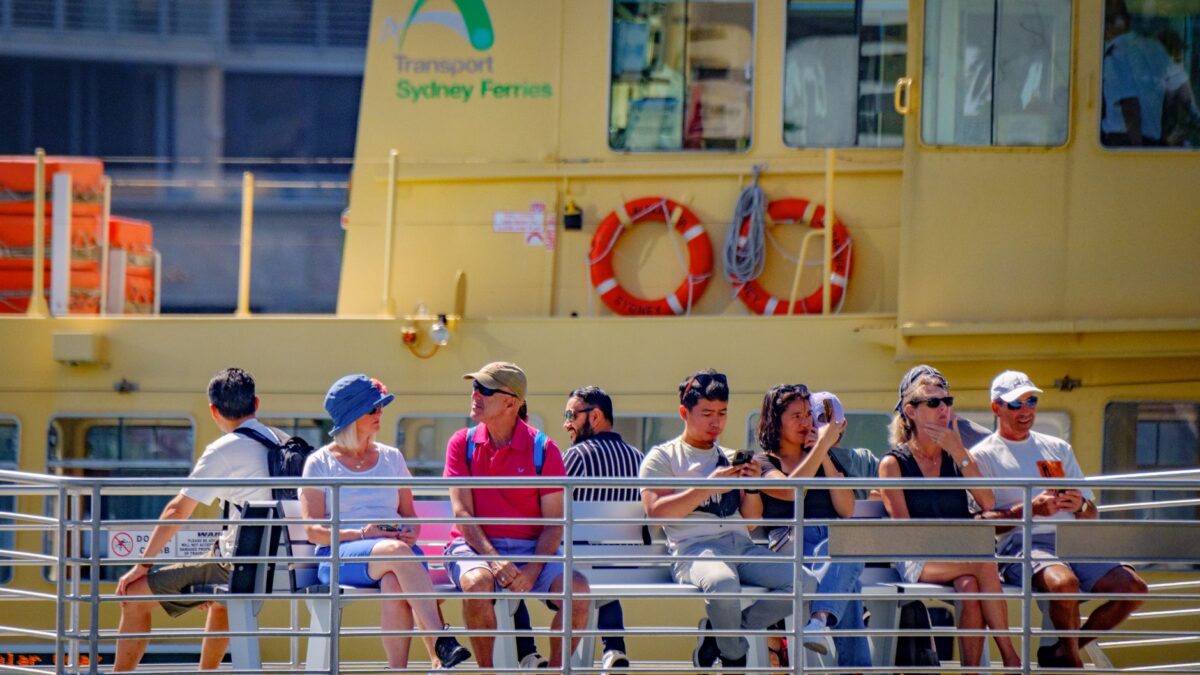
A ferry from Piraeus to an Aegean island, or a crossing from Greece to Italy, has no passport control because both ends are inside the Schengen Area, so the Entry/Exit System (EES) does not apply. A boat from Kos or Rhodes to the Turkish coast is different: it leaves the Schengen Area through the external border of the European Union, so travellers are checked on the way out and again on the way back. If you are not an EU citizen, that is also where your EES record is made.
Schengen and the EU are not quite the same club, and the EES only works at the outer edge of Schengen. The sections below follow the questions people ask before booking a ferry.
What is the EES and who has to register?
The EES is the electronic system that records non-EU nationals coming for a short stay in 29 European countries, and the European Commission’s migration and home affairs department says it became fully operational on April 10, 2026. It logs fingerprints and a facial image in place of the old passport stamps, according to Wikipedia’s overview of the Schengen Area. Registration happens when you cross an external border into or out of that zone.
- EU citizens do not register in the EES.
- Non-EU visitors on a short stay (visa-exempt or holding a short-stay visa) do.
- Long-stay visas and residence permits follow national rules, the Commission notes, so check with the Greek authorities how your permit is treated at the border.
Cruise passengers face the same logic, explained in our guide to who registers on a cruise from Piraeus.
Why is there no border check on island ferries?
A domestic ferry never leaves Greece, so no border is crossed at all. Piraeus is the main sea port of Athens and the largest port in Greece, according to Wikipedia’s article on the Port of Piraeus, and almost all of its passenger traffic goes to Greek islands. Ferry companies still ask for an ID or passport at boarding to match the ticket to the passenger, but that is a ticket check by the operator, not passport control. For gates, metro links and boarding times, see our guide to ferries from Piraeus.
Why is a ferry to Italy treated the same way?
Greece and Italy are both Schengen members, and Schengen countries have abolished checks at their common borders. A sailing between Greek and Italian ports is therefore an internal crossing: no EES registration, no exit stamp and no entry interview. Carry your passport or national ID anyway, because the shipping line asks for it and Schengen states can bring back temporary internal checks in exceptional situations.
Two EU members sit outside Schengen: Cyprus and Ireland. A boat or flight between Greece and Cyprus is therefore not the same as a trip to Italy, and travellers should expect a document check.
What changes on a boat from Kos or Rhodes to Turkey?
Turkey is outside the EU and outside Schengen, and the sea between the Dodecanese islands and the Turkish coast is part of the EU’s external border. Wikipedia’s page on the Greece–Turkey border notes that this sea border in places runs through straits only a few kilometres wide, which is why short day trips from islands such as Kos are possible at all. A short trip still counts as leaving and re-entering the Schengen Area.
- At the Greek port, passengers go through exit control by the Greek border police before boarding.
- Non-EU short-stay visitors are registered in the EES or have their existing record updated.
- On arrival in Turkey, Turkish rules apply, including any visa Turkey requires for your nationality.
- On the way back, you pass Schengen entry control at the Greek port again, and the EES logs the new entry.
Arrive early for these sailings. Border control at a small island port takes longer than boarding a domestic ferry.
Does a day in Turkey affect the 90-day rule?
Visa-exempt visitors may stay in the Schengen Area for up to 90 days within any 180-day period. Days spent in Turkey are outside Schengen, and the EES records both the exit and the return, so the system can work out the time you have used. The Commission publishes a short-stay calculator on its border-crossing page for checking your own dates. People who live in Greece on a residence permit should carry the permit card along with the passport on any trip outside Schengen.
Is anything else coming for visitors?
Yes. The European Travel Information and Authorisation System (ETIAS) will require visa-exempt visitors to get a pre-travel security clearance starting in 2027, according to the Schengen Area overview. It will add a step before the trip; the EES is the record made at the border itself.
Strikes can stop ferries regardless of where they go, so it is worth knowing how to check for a strike in Athens before a port day.
Quick answers
Do I need a passport for a ferry from Piraeus to Santorini or Crete?
There is no border control on domestic routes, but the ferry company checks an ID or passport against your ticket at boarding.
Does the EES apply to EU citizens taking a boat to Turkey?
No. The EES covers non-EU nationals on short stays. EU citizens still show a passport or ID card at the external border.
Is a ferry from Greece to Cyprus an internal Schengen trip?
No. Cyprus is in the EU but not yet in the Schengen Area, so expect a document check.
Where can I check my remaining Schengen days?
The European Commission’s border-crossing page links to its official short-stay calculator and user guide.
Checked against official sources in November 2026. Hours, prices and rules change: confirm on the official page before you go or apply.