Living in Pangrati: Rents, Transport and Daily Life
Pangrati sits beside the Panathenaic Stadium and the National Garden, a residential area that many newcomers choose for its squares and cafes. Here is what living there involves.
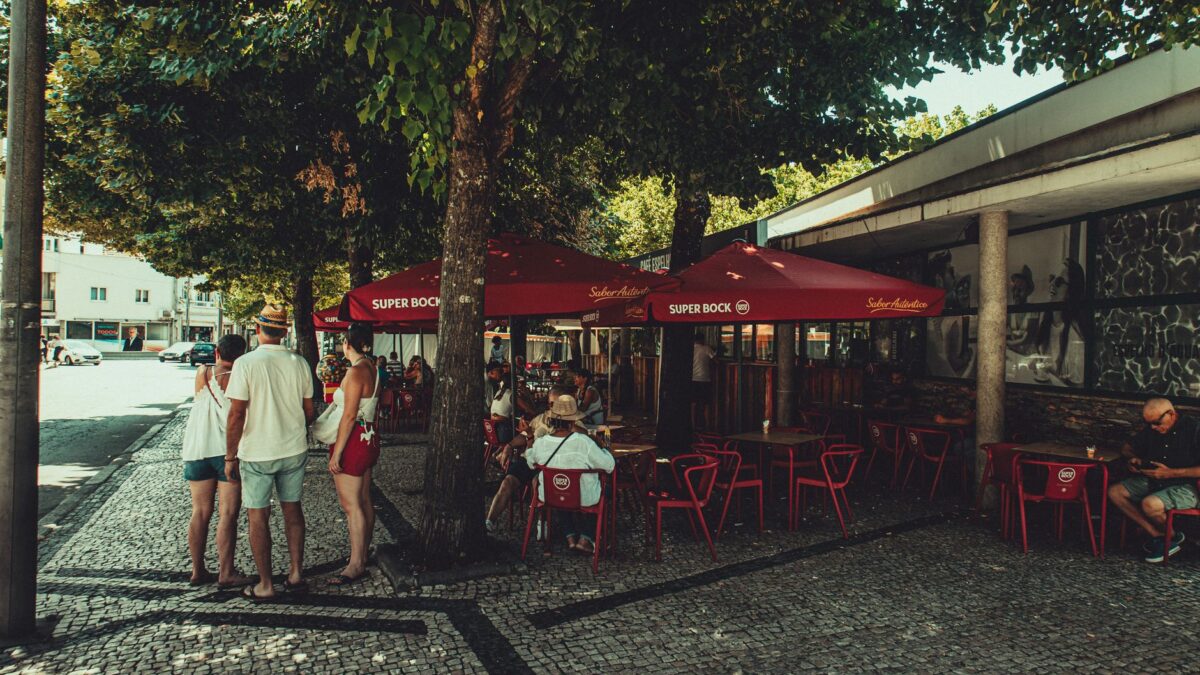
Pangrati is a residential neighborhood east of the Panathenaic Stadium, centered on Varnava Square and Plastira Square. It has no metro station of its own: residents use buses and trolleys or walk 10 to 20 minutes to Evangelismos, Syntagma or Akropoli. Asking rents averaged about €12.1 per square meter in mid-2026.
It suits people who want a local, lived-in feel close to the center, with fewer tourists than Koukaki or Plaka. The trade-off is a walk or a bus ride to the metro.
Where is Pangrati, and what is nearby?
Pangrati spreads uphill from Vasileos Konstantinou Avenue, opposite the National Garden and the Zappeion, toward Vyronas and Kaisariani. The Panathenaic Stadium, the marble stadium of the 1896 Olympics, sits on its western edge. To the north it meets Ilisia and the Hilton area.
- Varnava Square, the local center, with cafes and a playground.
- Plastira Square and Archimidous Street, where the Friday street market sets up.
- Ymittou and Formionos Streets, long commercial streets with shops, bakeries and tavernas.
- Pangrati Park (Alsos Pangratiou) and the National Garden for green space.
How do you get around without a metro station?
No metro line runs through Pangrati, and the Line 4 now under construction passes to the north through Kolonaki and Evangelismos. The nearest stations are:
| Station | Line | Walk from Varnava Square (approximate) |
|---|---|---|
| Evangelismos | Line 3 | 15–20 minutes |
| Syntagma | Lines 2 and 3 | 20–25 minutes, through the National Garden |
| Akropoli | Line 2 | 20 minutes |
OASA buses and trolleybuses run along Vasileos Konstantinou, Ymittou and Formionos toward Syntagma and other districts. Live arrivals are on the OASA Telematics app. Our guide to Athens buses and trolleys explains lines and tickets, and the fares guide shows which ticket covers both bus and metro.
How much does it cost to rent in Pangrati?
Pangrati’s asking rents were about €12.1 per m² in July 2026, according to a mamaXO Research index of listings, close to the average for the Municipality of Athens. Rents are rising across neighboring areas: Spitogatos recorded a rise of about 25.7% in Kaisariani, just east of Pangrati, in the year to Q3 2026.
| Flat type | Typical asking rent (as of November 2026) |
|---|---|
| Studio, 30–35 m² | €350–450 |
| One-bedroom, 50–60 m² | €600–750 |
| Two-bedroom, 75–90 m² | €900–1,150 |
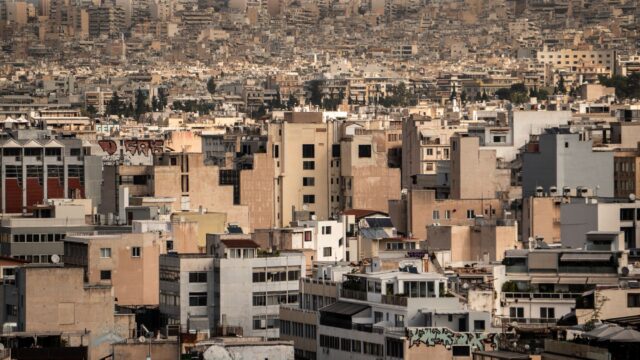
Most of the housing is 1960s to 1980s apartment blocks. Higher floors get more light and a better breeze in summer. Part of Pangrati falls in the 2nd municipal district, one of the three central districts where new short-term rental registrations were frozen from January 2025, which has eased competition for long-term flats a little.
What is daily life like in Pangrati?
The Friday laiki (street market) runs on Archimidous Street near Plastira Square, with fruit, vegetables, fish and household goods. Check the current location before you go, as markets are sometimes moved. Our guide to Athens food markets explains how they work.
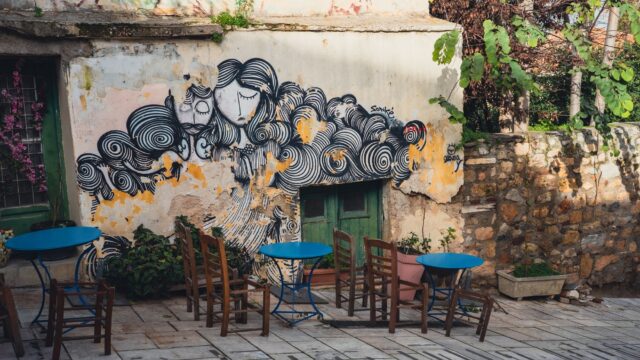
Evenings center on Varnava Square and the side streets around it, with cafes, wine bars and tavernas used mostly by locals. It is busy but rarely loud late at night compared with Psirri or Gazi. Runners use the National Garden paths and the streets around the Panathenaic Stadium.
Is Pangrati good for families or students?
Both live here. Families like the squares with playgrounds, the public schools and the short trip to the National Garden. Students use it for its rents and buses to the university campus at Zografou and Ilisia. Hills are a factor: streets climb toward Vyronas, which matters with a stroller or heavy shopping.
| Pros | Cons |
|---|---|
| Local feel, fewer tourists | No metro station inside the area |
| National Garden and Panathenaic Stadium nearby | Uphill streets toward Vyronas |
| Squares with playgrounds and cafes | Parking is hard on narrow streets |
| Rents near the city average | Rents rising in nearby areas |
| Weekly street market | Older buildings, few with lifts in low blocks |
What should you check before renting in Pangrati?
- Walk the route to your nearest metro station or bus stop with the hill in mind, and time it.
- Ask about parking if you have a car. Few older buildings have garages, and street spaces near Varnava Square fill early.
- Check the heating system and ask for last winter’s common charge statements, because central oil heating is common in older blocks.
- Look at the windows and balcony doors. Single glazing makes winters chilly and summers hot.
- Make sure the landlord will declare the lease on AADE. Our rent prices guide helps you judge whether the asking rent is fair for the area.
Buildings near the main avenues are noisier but closer to transport. Inner streets around Plastira Square and toward Pangrati Park are quieter, with more trees and small corner shops.
Bottom line
Map your commute before choosing a street: the western side near Vasileos Konstantinou is within walking distance of two metro lines, while the upper streets near Vyronas depend on buses. If you work near Syntagma, the walk through the National Garden is often faster than any connection.
FAQ
Does Pangrati have a metro station?
No. The nearest stations are Evangelismos on Line 3, Syntagma on Lines 2 and 3, and Akropoli on Line 2.
What day is the Pangrati street market?
Friday, on Archimidous Street near Plastira Square. Locations can change, so confirm locally.
Is Pangrati quieter than Koukaki?
Generally yes. It has fewer tourists and short-term rentals, though Varnava Square is busy in the evenings.
How do I get from Pangrati to the airport?
Walk or take a bus to Evangelismos or Syntagma and take metro Line 3 to the airport. Express bus X95 also runs from Syntagma.