Living in Kolonaki: Rents, Metro and What to Expect
Kolonaki is the central Athens address for embassies, galleries and boutiques, on the slopes of Lycabettus. Here is what renting there costs and how daily life works.
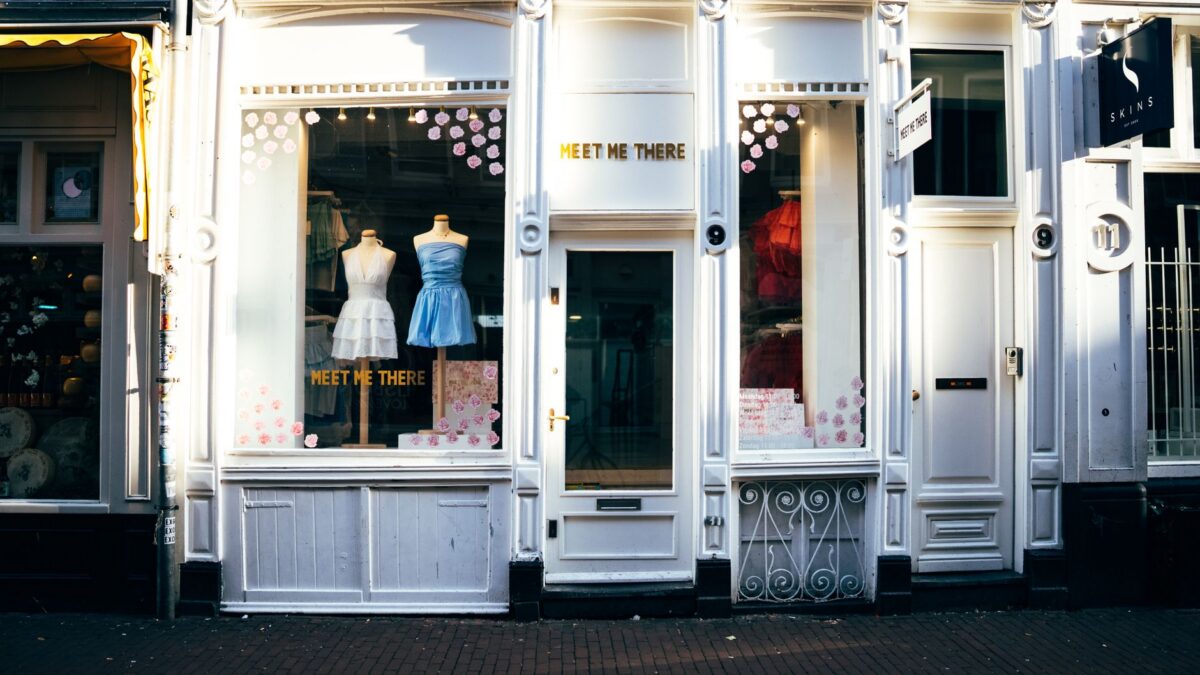
Kolonaki is an upmarket central Athens neighborhood on the southern slopes of Lycabettus Hill, between Syntagma and Evangelismos. Asking rents in Kolonaki and Lycabettus averaged about €18 per square meter in Q3 2026, so a 60 m² flat often lists at €1,000 to €1,200 a month. Metro Line 3 stops at Evangelismos and Syntagma, and Line 4 will add a Kolonaki station.
It suits people who value a short walk to offices, embassies and Syntagma, and can pay well above the Athens average. Buildings range from elegant interwar blocks to plain 1970s apartments at high prices.
Where is Kolonaki and how do you get around?
Kolonaki climbs from Vasilissis Sofias Avenue, with its museums and embassies, up toward the pine-covered slopes of Lycabettus. Its center is Kolonaki Square (officially Filikis Etaireias Square). Syntagma is a 5 to 15 minute walk from most streets.
| Station | Line | Use |
|---|---|---|
| Evangelismos | Line 3 | Eastern Kolonaki; direct to the airport and to Syntagma |
| Syntagma | Lines 2 and 3 | Lower Kolonaki; interchange for most of the network |
| Kolonaki (planned) | Line 4, under construction | Not open as of November 2026 |
Line 4 tunneling was paused in autumn 2026, and the deputy infrastructure minister said in November 2026 that the boring machine was not expected to restart until early 2027, so the Kolonaki station is still several years away. The upper streets are steep: Lycabettus is reached on foot or by the funicular from Aristippou Street. Our Athens metro guide covers the current lines.
How much does it cost to rent in Kolonaki?
Spitogatos put Kolonaki and Lycabettus at €18 per m² in Q3 2026, tied with Palaio Psychiko as the most expensive part of Attica after Vouliagmeni. A separate July 2026 listings index by mamaXO Research gave a similar €17.9 per m².
| Flat type | Typical asking rent (as of November 2026) |
|---|---|
| Studio, 30–35 m² | €550–700 |
| One-bedroom, 50–60 m² | €900–1,150 |
| Two-bedroom, 75–90 m² | €1,350–1,700 |
| Large flats, 120 m² and up | Often €2,000 and above |
Older buildings dominate. Many have high ceilings and large rooms, but also aging pipes, small lifts and central oil heating. Ask for last winter’s common charge statements, since heating a large Kolonaki flat can cost a lot. Kolonaki is in the 1st municipal district, where new short-term rental registrations have been frozen since January 2025, extended to the end of 2026.
What is nearby: embassies, hospitals and shops?
- Embassies and institutions. Many embassies and cultural institutes are in and around Kolonaki and along Vasilissis Sofias, with the Benaki Museum and the Museum of Cycladic Art close by.
- Hospitals. Evangelismos, one of the largest public hospitals in Greece, is on the eastern edge, and many private doctors’ practices and diagnostic centers are in the area.
- Shopping. Skoufa, Tsakalof, Anagnostopoulou and Patriarchou Ioakeim Streets have boutiques, bookshops and galleries. Everyday groceries come from smaller supermarkets and delis, at higher prices than in other neighborhoods.
- Green space. Lycabettus Hill above and the National Garden below.
Is parking possible in Kolonaki?
Parking is one of the main drawbacks. Streets are narrow and steep, and many are under the municipal controlled parking system, with spaces for residents and paid spaces for visitors. Few older buildings have garages. Private parking garages exist but cost extra each month. Central Athens also has a traffic ring (daktylios) that limits which cars can enter on weekdays when it is in force; check whether your street falls inside it. Our guide to driving in Athens explains the ring.
Most residents who work in the center do without a car or keep one in a rented garage space.
What is daily life like?
Daytime life revolves around cafes on and around Kolonaki Square and the pedestrian streets nearby, used by office workers, shoppers and residents. Evenings are busy on Haritos and Skoufa Streets with bars and restaurants, but late-night noise is lower than in Psirri or Gazi. Upper Kolonaki toward Lycabettus is quieter and greener.
Prices for coffee, eating out and groceries are among the highest in Athens. Our cost of living guide shows how Kolonaki compares.
Who does Kolonaki suit?
| Pros | Cons |
|---|---|
| Walk to Syntagma, offices and embassies | Among the highest rents in Athens |
| Two metro stations at the edges, a third planned | Steep streets in the upper part |
| Lycabettus Hill and the National Garden | Parking is scarce and costly |
| Museums, galleries and bookshops | Older buildings with high heating costs |
| Hospitals and private clinics nearby | Line 4 works at stations disrupt some streets |
Kolonaki suits diplomats, executives, people working near Syntagma and anyone who wants a quiet, central street and a large budget. Compare it with other areas in our Athens neighborhoods comparison.
Bottom line
Compare a renovated flat with a cheaper original one by adding the expected heating and repair costs, not only the rent. In upper Kolonaki, check the walk to Evangelismos with shopping bags before committing, because the slope is steeper than the map suggests.
FAQ
Which metro stations are closest to Kolonaki?
Evangelismos and Syntagma on Line 3, plus Line 2 at Syntagma. A Kolonaki station on Line 4 is under construction.
How much is a one-bedroom in Kolonaki?
As of November 2026, asking rents for 50 to 60 m² flats are mostly €900 to €1,150 a month.
Is Kolonaki safe?
It is considered one of the safer central areas, with police and embassy guards present. Normal care with bags applies in busy streets.
Can I park on the street in Kolonaki?
Spaces are limited, and many are reserved for residents under the controlled parking system. Ask the municipality about a resident permit once your lease is registered.