Driving in Athens: Attiki Odos Tolls, the Daktylios Zone and Parking
The ring road, the odd-even central zone and the parking rules: what drivers in Athens pay and where traffic jams form.
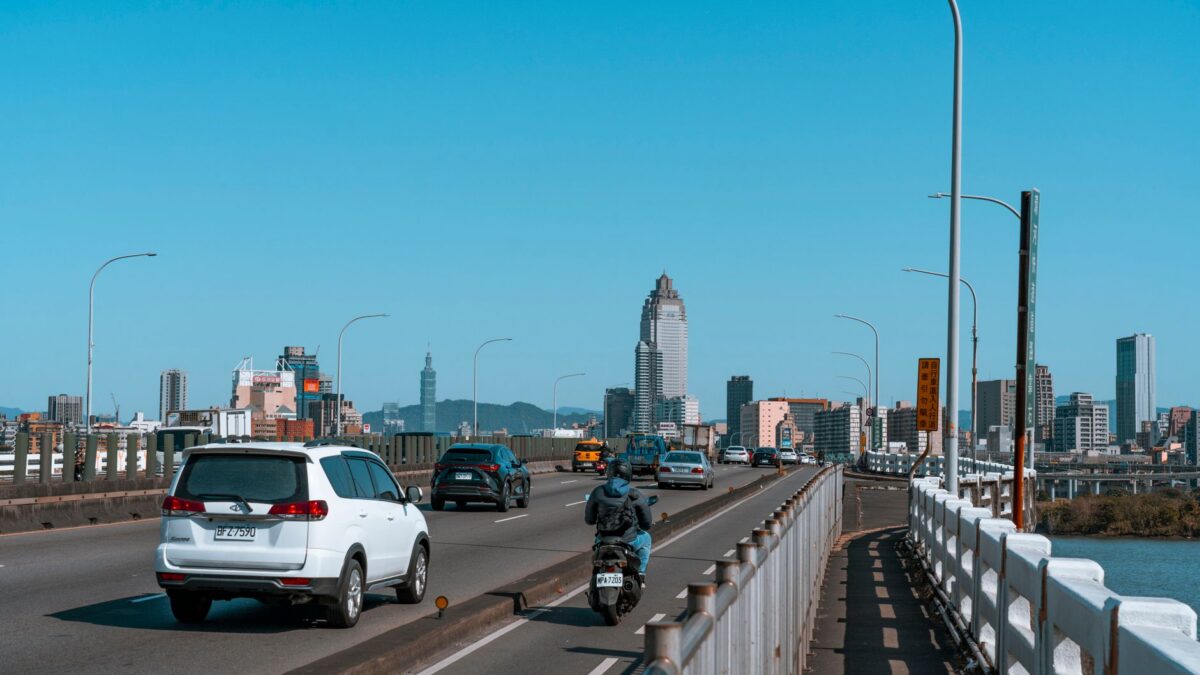
A car pays €2.55 per trip on Attiki Odos, the Athens ring road, as of November 2026, after the first inflation-linked rise on 1 January 2026. You pay at the toll booth by cash or card, or drive through with an electronic tag (e-pass). In central Athens, the daktylios zone limits private cars on weekdays by odd and even plate numbers, usually from October to July.
Driving in Athens is practical for the suburbs, Sounion or the Peloponnese, but slow and stressful in the centre. Below are the main costs and rules for residents and visitors.
How do Attiki Odos tolls work?
Attiki Odos is the motorway that links the airport, the northern suburbs, Elefsina and the western exit roads. Since 6 October 2024 it has been run by a new concession company, and cars pay a flat rate per trip regardless of distance.
| Vehicle | Toll per trip (as of Nov 2026) |
|---|---|
| Car | €2.55 |
| Motorcycle, trucks and buses | Different categories; see the operator’s price list |
Under the new concession, most sources report that the e-pass discount for cars on Attiki Odos ended, so tag users pay the same €2.55. Tags still save time in queues and work on the other Greek motorways.
What is an e-pass and do I need one?
An e-pass is a small transponder on the windscreen that lets you use the electronic lanes. Motorway operators sell prepaid and postpaid plans, and one tag works across the main Greek motorways through interoperability. If you drive the ring road or out of Athens often, a tag saves time at booths. For occasional trips, paying at the booth is fine. Rental cars may already have a tag; ask the company how tolls are charged.
What are the other motorway tolls near Athens?
- Olympia Odos runs west from Elefsina to Corinth and Patras, with several toll stations on the way.
- Nea Odos and the Athens-Lamia motorway run north towards Thessaloniki.
- Moreas runs from Corinth towards Tripoli and Kalamata.
Each operator publishes its own price list, and most raised tolls slightly on 1 January 2026. A return trip to the Peloponnese adds up quickly, so check prices before a long drive.
When does the daktylios apply?
The daktylios (ring) is a traffic restriction zone in central Athens. On restricted days, private cars may enter only on dates that match the last digit of their plate: odd digits on odd dates, even digits on even dates.
- Season: it usually runs from mid-October to late July and is suspended in summer. For 2026 to 2027, Greek media reported a restart on 12 October 2026; check the official notice for the exact dates.
- Hours: in the 2025 to 2026 season it applied Monday to Thursday from 07:00 to 20:00 and Friday from 07:00 to 15:00. Weekends and public holidays are free.
- Exemptions: electric cars, many hybrids and other low-emission vehicles, vehicles for people with disabilities and some permit holders. Residents inside the zone can apply for a card through the Municipality of Athens.
- Permits: exemption permits are issued through gov.gr.
Fines for breaking the rule are issued by the traffic police. Rules and exemptions change by ministerial decision, so check gov.gr before you drive in.
Where are the worst traffic hotspots?
- Kifisias Avenue, the main road to the northern suburbs, at both rush hours.
- Kifisos Avenue, the north-south route along the river, often blocked by accidents and works.
- Syngrou Avenue and Vouliagmenis Avenue towards the coast, especially on summer weekends.
- Alexandras Avenue and Exarchia, where metro Line 4 works have closed lanes.
Rush hours run roughly 07:30 to 09:30 and 14:00 to 17:00. Our metro guide shows where rail is faster than the car.
How does parking work in Athens?
Central Athens uses controlled parking zones where residents with permits park free and visitors pay by the hour through municipal apps, SMS or kiosks, within time limits. Yellow lines, bus stops, pavements and pedestrian crossings are no-parking areas, and illegal parking brings fines and can lead to towing. Private garages in the centre charge by the hour or month. If you rent in the centre, ask the landlord whether the building has a space; our guide to renting an apartment in Athens covers what to ask.
How much does fuel cost?
Fuel prices in Greece are among the higher ones in the EU and change weekly. The Ministry of Development publishes average prices by region through its fuel price observatory. Stations on motorways usually charge more than those in town.
Traffic police also run regular checks for speeding, phone use and seat belts on the main avenues, and Greece raised many traffic fines in recent years. Drive with your licence, registration and insurance papers in the car.
Bottom line
Inside central Athens, the metro beats the car on most trips, and the daktylios adds a plate check on weekdays. Keep the car for the suburbs, the coast and out-of-town trips, and get an e-pass only if you use the motorways every week.
FAQ
Does the daktylios apply to rental cars?
Yes, unless the car is exempt, for example a fully electric model. Check the plate’s last digit against the date.
Can I pay Attiki Odos tolls by card?
Yes. Staffed and automatic booths accept bank cards as well as cash.
Do I need an international driving permit?
EU licences are valid. Holders of other licences should check with the rental company and Greek rules for their country.
Is the daktylios in force in summer?
Usually not. It is normally suspended from late July to mid-October.