Mitsotakis Says Greece Will Ban Social Media for Under-15s From 2027
PM Kyriakos Mitsotakis told a Grant Thornton conference Greece will bar under-15s from social media from Jan. 1, 2027, and outlined a third-term agenda.
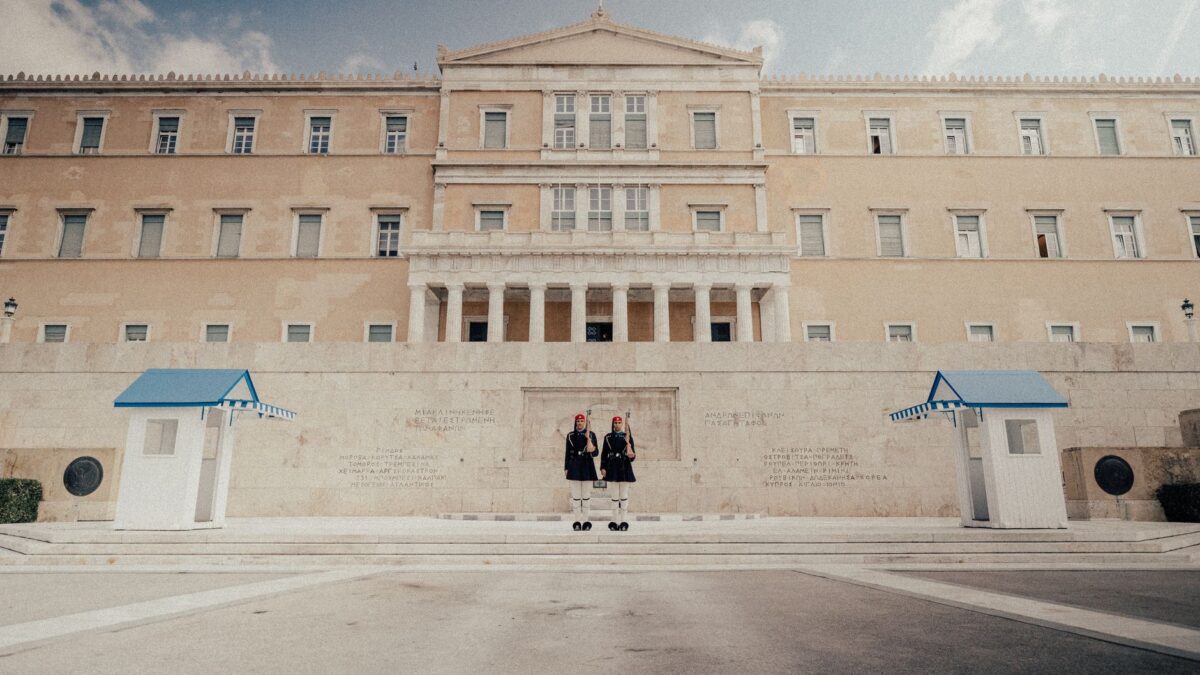
Prime Minister Kyriakos Mitsotakis said Greece will be the first and only European country to ban access to social media for children up to age 15, starting Jan. 1, 2027. He spoke at the “Future Unfold: Connected Intelligence – The Future Advantage” conference organized by Grant Thornton, reported by the news site iefimerida.
He said Greece decided to proceed alone and called it a pity that the opposition could not agree even on this, describing that stance as immature and irresponsible. The same appearance gave an outline of his priorities for a possible third term after the 2027 elections.
The under-15 social media ban
Mitsotakis tied the measure to concerns about brain development, education and children. He said social media algorithms serve users information that tends to match anger, and that deepfakes add to the problem, especially for public figures with plenty of recorded audio and voice. He also mentioned AI companions, saying children and teenagers are forming digital relationships, and asked what kind of society creates digital partners. He said the risks of artificial intelligence currently outweigh the benefits, though it could also allow new forms of public consultation. The sources do not say how the ban will be enforced.
Third-term agenda and the 2027 elections
Mitsotakis listed targets for the next four years: high growth that supports disposable income, a state able to leap ahead with artificial intelligence, a focus on social structures, continued work in health and education, and security for citizens, women, neighborhoods and the country. He said he will not seek a fourth term, which he said he has made clear before.
He said that if voters back the government, the first year would bring major changes alongside a six-month European Union presidency. As an example of a first-year change he cited the fight against tax evasion, saying it brought in 9 billion euros more and cut the VAT gap. On the OPEKEPE agricultural payments agency, he said the government “feared and was late” and that he took responsibility himself.
He also called the 2027 elections highly important, argued the opposition has no real alternative program or workable plan for parliamentary cooperation, and criticized its debates about politicians switching parties.
Opposition proposals on wages, pensions and VAT
Mitsotakis dismissed opposition proposals to restore the 13th and 14th monthly salary and pension, and to cut VAT, as a “stuck needle” of ideas from another era. He acknowledged the issues matter but pointed to fiscal cost, saying a fast-changing world requires Greece to find its place.
What this means for workers and students
On jobs, Mitsotakis said he does not expect dramatic labor-market changes soon. He said AI combined with robots could upend manufacturing, and that programming is the first job threatened, while he does not imagine robots doing tourism work. He called for on-the-job skills training, less stigma around technical education, and practical academies with guaranteed jobs, citing Tripoli’s emergence as a pharmaceutical industry center. He said Greece needs more nurses than doctors and more carers for older people, and that it struggles to find staff for the personal assistant scheme for people with disabilities.
He expects schools and universities to assign fewer written tasks and hold more oral exams because of AI.
Frigate Nearchos due Nov. 30
Mitsotakis said the second Greek Belharra frigate, Nearchos, will arrive at the Salamis naval base on Monday, Nov. 30. He argued that no country can be strong geopolitically and in defense without a strong economy, and that a welfare state requires high growth.
Source: iefimerida