Greece Raises Childcare Vouchers 10% and Widens Income Limits
Greece's second round of childcare vouchers is 10% higher and raises income limits by 2.000 euros. Also: debt figures and a Rwanda return hub plan.
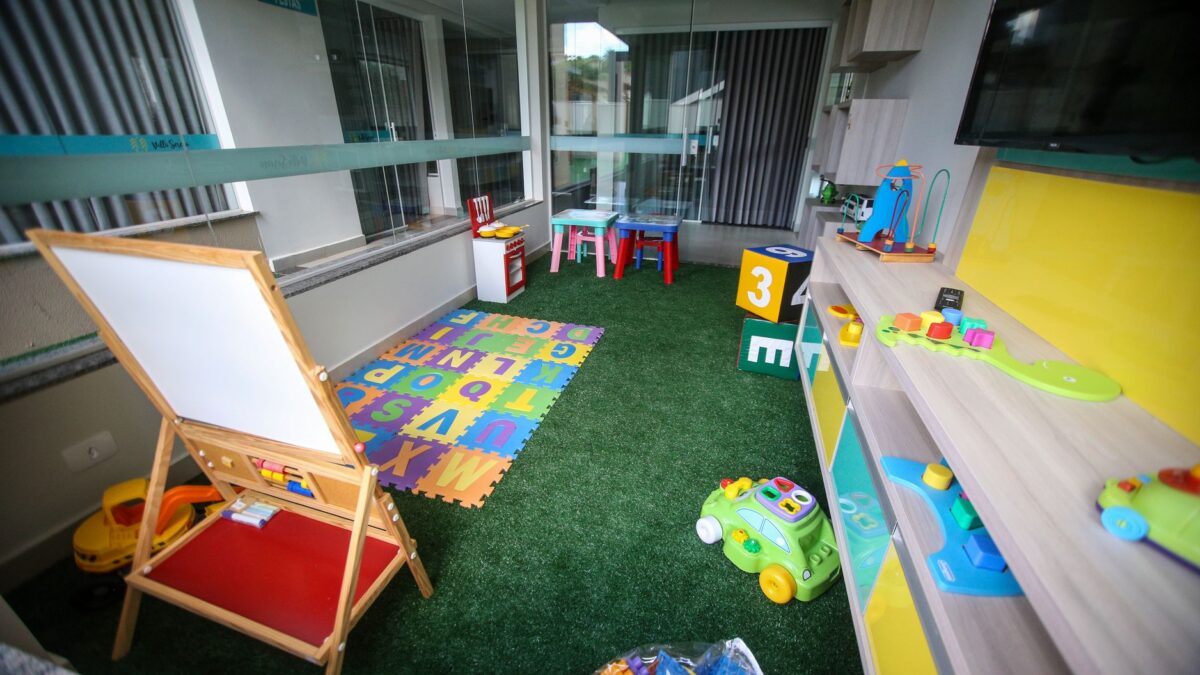
The second phase of Greece’s childcare voucher programme has started with vouchers worth 10% more and higher income limits, government spokesman Pavlos Marinakis said at a briefing for political reporters on Thursday, Nov. 19, according to ERT News.
Families that already received a voucher in the first phase get the increase automatically, without a new application.
What changes in the voucher programme
The 10% increase covers vouchers for infant, nursery and children’s day-care centres. Income limits rise by 2.000 euros, for both the full and the reduced level of support.
Families with three children no longer face an income test for the reduced-value voucher. The step follows last year’s decision by the Ministry of Social Cohesion and Family to drop income criteria for families with four or more children (polyteknes).
Reduced-value vouchers that were already granted become full-value ones automatically if the family meets the new, higher income limits for full support.
What it means for families
Parents with a first-phase voucher should see a higher value without filing anything. Households that sat just above the old income limit may now qualify, since the limits moved by 2.000 euros. Families with three children can receive the reduced-value voucher regardless of income.
Debt figures cited at the briefing
Asked about red loans and the parliamentary inquiry on the subject, Marinakis listed measures the government has passed. They include favourable interest terms with retroactive effect, a rise in the unseizable limit (akatasxeto) to 1.600 euros, and work toward a solution for borrowers with Swiss-franc loans.
He said the ratio of private debt to GDP has fallen to 96,6% and that Greece now ranks 15th. Performing loans, he added, are now more than double the non-performing ones.
Marinakis also said Prime Minister Kyriakos Mitsotakis will decide who is called to testify before the inquiry committee, including former prime minister Alexis Tsipras. New Democracy voted “present” on the proposal and will take part in the committee’s work, he said.
Return hub in Rwanda
Greece is taking part with Austria, Germany, Denmark and the Netherlands in a joint initiative to set up a return hub in Rwanda for irregular migrants who are not entitled to international protection. The five countries aim to reach an agreement and begin the first transfers by 2027.
According to the government, the framework will apply only to third-country nationals staying illegally in the participating states who have an enforceable return or removal decision against them. The plan also allows them to settle in Rwandan society or to return voluntarily to their country of origin or another country that will admit them legally. The European Commission takes part as an observer. The International Organization for Migration and the UN refugee agency provide technical support.
Other items from the briefing
Mitsotakis and Cypriot President Nikos Christodoulides co-chaired the fourth Greece-Cyprus intergovernmental summit in Nicosia. The talks centred on three areas: Cyprus’s experience of the EU Council presidency ahead of Greece’s own, artificial intelligence, and civil protection. The next summit will be held in Athens in 2027.
Labour Minister Niki Kerameus presented Greek labour market reforms at events in Washington attended by the World Bank, the IMF and the OECD. Mitsotakis travels to Berlin on Thursday for a meeting of the Coalition of the Willing on Ukraine, hosted by German Chancellor Friedrich Merz, French President Emmanuel Macron and British Prime Minister Andy Burnham.
The spokesman also said Greece told the United Nations on Oct. 22, 2026 that it rejects the Turkish-Libyan memorandum as contrary to the Law of the Sea.
What happens next
The voucher increase is already being applied to existing first-phase vouchers. The Rwanda talks are still at the stage of shaping a framework, with the first transfers targeted for 2027.
Source: ΕΡΤ News