Greek Christmas Dinner Costs €220.75, Up 18%, INKA Survey Finds
INKA puts a Christmas dinner for 4 to 6 people at €220.75, up about 18%, while an EY survey finds most Greeks plan to spend as much as last year.
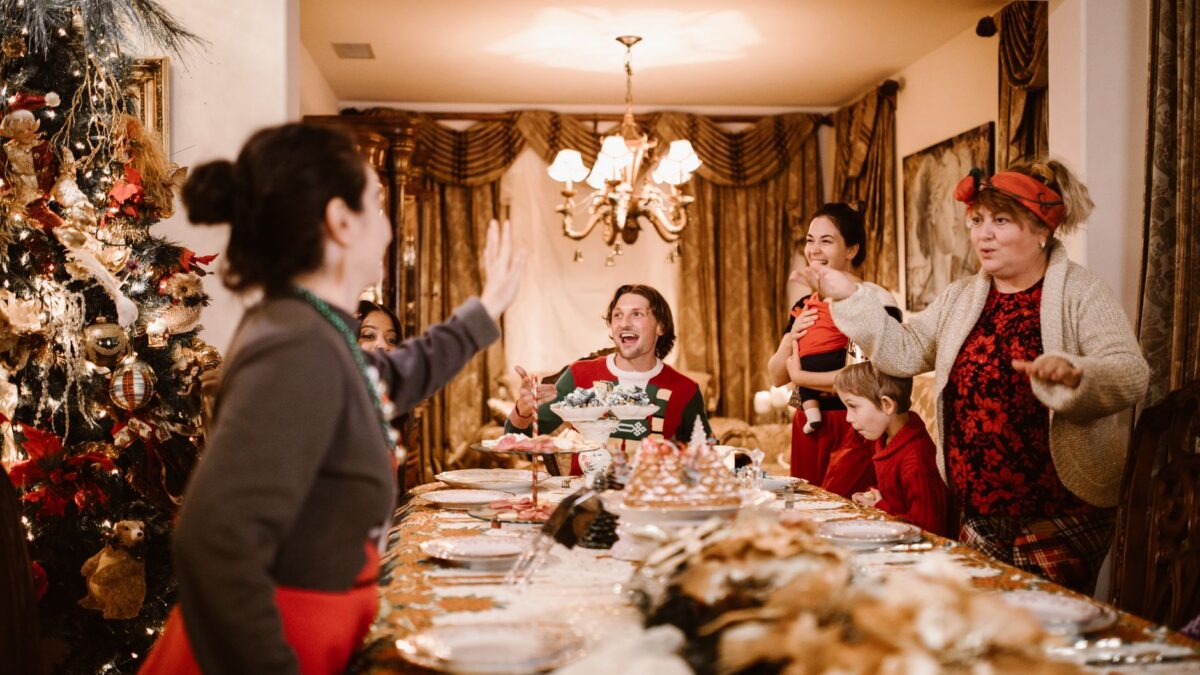
A Christmas lunch or dinner for four to six people in Greece is estimated at 220.75 euros this year, about 18% more than in 2025, according to the General Federation of Consumers of Greece (INKA), which published its annual survey on Nov. 23. An EY Greece survey published on Wednesday found that most households still plan to spend about the same on festive shopping as last year.
The two findings sit side by side: higher food prices on one hand, and unchanged budget intentions on the other. The Development Ministry’s estimate for the basic basket is far lower than INKA’s.
The central numbers
- €220.75: INKA’s estimated cost of the Christmas meal for 4 to 6 people, up roughly 34 euros from 2025. Including basics such as oil, eggs and lemons adds about 10 euros more.
- €186.85 and €156.02: INKA’s figures for 2025 and 2024, meaning increases of 19.8% in 2025 and 18.1% in 2026.
- Up to €163.96: the Development Ministry’s estimate for the basic basket, about 26% below INKA’s calculation.
- 63%: share of consumers in the EY Greece survey who plan to spend the same as last year. Another 24% plan to spend less, unchanged from last year, and 9% plan to spend more, down from 13% in 2025.
- Seven in ten: consumers who plan to spend between €100 and €500. Of all respondents, 42% expect €100 to €250 and 28% expect €250 to €500. Some 16% will spend under €100, and 2% expect to spend over €1,000.
What Greeks plan to buy
Food and drink lead the shopping lists at 64%, rising to 69% among those aged 40 to 49 and 72% among those aged 50 to 64. Clothing and accessories follow at 53%, reaching 63% among people aged 30 to 39. Personal care and beauty products draw 31% (43% among women), and experiences such as dining out, concerts, tickets and travel draw 29%.
Technology and electronic devices are planned by 24%, with stronger intentions among men and people aged 18 to 29. Toys come in at 21% and home and kitchen goods at 20%.
The figures come from the first wave of the EY Future Consumer Index Greece 2026, conducted by EY Greece with the research firm MRB and the Strategy and Research Division of Choose S.A. A detailed presentation is planned for the coming months.
Why the two cost estimates differ
The Development Ministry’s lower figure of up to €163.96 is based on the PosoKanei price platform, which shows what items cost in supermarkets across the country. Keep Talking Greece, which reported the figures, suggests the gap arises because such a comparison does not account for shoppers being unlikely to travel 30 to 100 kilometres for cheaper potatoes. That is the outlet’s own view, and neither INKA nor the ministry explained the difference in the material reported.
What this means for households
A family hosting a Christmas meal for four to six people faces a bill roughly 34 euros higher than last year by INKA’s count, with a different, lower reference point from the ministry. Meanwhile the EY survey shows that for most people the overall festive budget is not expected to change: 63% plan to spend the same, and only 9% plan to spend more. Whether that means cutting other purchases to cover pricier food is not addressed in the survey results published so far.
Source: Keep Talking Greece