Athens Riviera Beaches Compared: Free vs Paid, Transport, Winter
The coast south of Athens has paid beach clubs, municipal beaches and free coves, most within an hour of the center. Here is how to choose one and get there without a car.
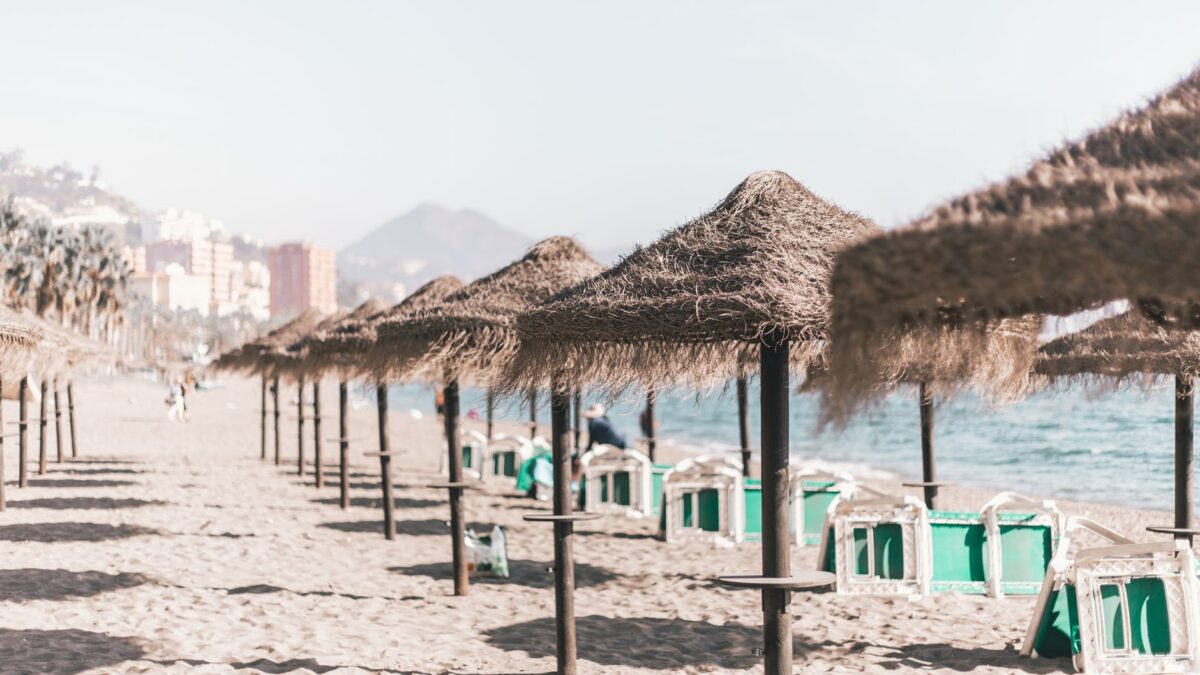
The Athens Riviera is the coast south of the city, from Palaio Faliro to Cape Sounion. The tram runs along it as far as Voula, and buses continue to Vouliagmeni, Varkiza and beyond. Beaches range from organized ones with an entry fee and sunbeds to free public stretches, and many fly the Blue Flag for clean water.
In Greece the whole shoreline is public by law. An “organized” beach (organomeni paralia) is one where a municipality or a company holds a concession and rents sunbeds and umbrellas. Some charge an entry fee as well. A free beach (elefthera paralia) has no entry charge, though cafés may still rent sunbeds on part of it.
Which Riviera beaches are free and which charge entry?
The table runs from north to south. Entry fees and sunbed prices change every season and are higher at weekends, so treat this as a guide to the type of beach, not a price list, as of November 2026.
| Area | Type | Getting there | Notes |
|---|---|---|---|
| Palaio Faliro and Alimos | Mix of organized beaches and free stretches | Tram | Closest to the center; busy, more of a city beach |
| Glyfada | Organized municipal and private beaches, some free sections | Tram | Shops, cafés and the marina nearby |
| Voula | Large organized beaches with entry fees, plus free sections | Tram to the Voula terminus, then a walk or bus | Family-friendly, sandy, lifeguards in season |
| Kavouri and Vouliagmeni | Free stretches and upmarket beach clubs | Bus from Voula or Glyfada | Clear water; Lake Vouliagmeni charges entry |
| Limanakia | Free rocky coves | Bus along the coast road | Steps down cliffs; no sand, no facilities |
| Varkiza | Organized beach plus free sections | Bus | Long sandy bay, shallow water |
| Lagonisi to Legrena | Mostly free beaches with tavernas | KTEL coastal bus to Sounion, or car | Quieter on weekdays; Legrena is near Sounion |
Lake Vouliagmeni is a brackish lake fed by underground springs, with water at a fairly steady temperature all year. It is run as a private facility with an entry fee and is open in winter as well as summer. Check the current price before you go.
How do you get to the beaches by tram and bus?
The tram is the simplest way to reach the beaches as far as Voula. It runs from Syntagma down Syngrou Avenue to the coast, then along the shore, and a separate line links Piraeus with the coast. Depending on the current route pattern you may need to change trams at the coast, so check the map before you set off. The ride from Syntagma to Glyfada or Voula takes about an hour. Our guide to the Athens tram lines covers routes, frequency and hours.
- Take the tram from Syntagma or from Piraeus towards the coast, changing line if the route map tells you to.
- For Voula, ride to the end of the line, then walk to the beach or take a local bus.
- For Vouliagmeni, Kavouri and Varkiza, change to an OASA bus at Glyfada or Voula. Check live times on the OASA Telematics app or the OASA website.
- For beaches south of Varkiza, use the orange KTEL Attikis buses heading to Sounion, which leave from Pedion tou Areos and stop along the coast.
The standard 90-minute ticket covers the tram and city buses. As of November 2026 it costs €1.20 on the ATH.ENA ticket or card. KTEL buses to Sounion are a separate company and need their own ticket. See Athens public transport fares and tickets for which ticket to buy.
How clean is the water?
Water quality along most of the Riviera is good, and many beaches between Faliro and Sounion hold the Blue Flag, an international award for water quality, safety and facilities. The list changes every year. Greece consistently ranks among the countries with the most Blue Flag beaches.
The water near the center, around Faliro and close to the port of Piraeus, is generally less clear than farther south. After heavy rain, streams can carry runoff into the sea for a day or two. Avoid swimming near stream outlets after a storm.
Can you swim in winter?
Yes. A community of winter swimmers swims all year at spots such as Kavouri, Limanakia and the beaches around Vouliagmeni. The sea is coldest around February, when it can be cold enough that most people stay in for only a few minutes.
- Swim where other people are in the water, especially on windy days.
- Most organized beaches have no lifeguards outside the summer season.
- Lake Vouliagmeni stays warmer than the sea in winter and is a gentler option for a first winter swim.
The traditional dive for the cross on 6 January, Epiphany, takes place at several points on the coast, including Faliro and Piraeus. The water is cold, and crowds gather to watch.
What should you know before a summer beach day?
From late June to August, the closest beaches fill up by late morning at weekends. Go early, or choose a weekday. Shade is limited on free beaches, so bring an umbrella or arrive in time for a spot under the trees where there are any.
Heatwaves often hit Athens in July and August. Avoid the midday sun, carry water and follow official heat alerts; our guide to heatwaves in Athens lists what changes and how to stay safe.
Bottom line
Use the tram for a first visit and stop at Glyfada or Voula, then explore farther south by bus once you know the route. If you want clear water without paying, the free stretches at Kavouri and the coves at Limanakia are the best value close to the city, but bring your own shade.
FAQ
What is the closest beach to central Athens?
The beaches of Palaio Faliro and Alimos are the closest, about 30 to 45 minutes by tram from Syntagma. The water is clearer farther south, from Glyfada onward.
Are beaches in Athens free?
The shoreline in Greece is public, and many beaches are free. Organized beaches may charge entry and rent sunbeds and umbrellas, and prices are higher at weekends.
Is Lake Vouliagmeni open in winter?
Yes. It operates all year with an entry fee, and its spring-fed water stays milder than the sea in winter. Check the current price and hours before you go.
Can you reach Vouliagmeni by tram?
Not directly. The tram ends at Voula, and from there or from Glyfada you take a bus to Vouliagmeni and Kavouri.