How Public Healthcare Works in Greece: EOPYY, Doctors and Costs
Greek public healthcare runs on two pieces: social insurance that makes you an EOPYY member and the AMKA number you give at every visit. Here is how the parts fit together for residents in Athens.
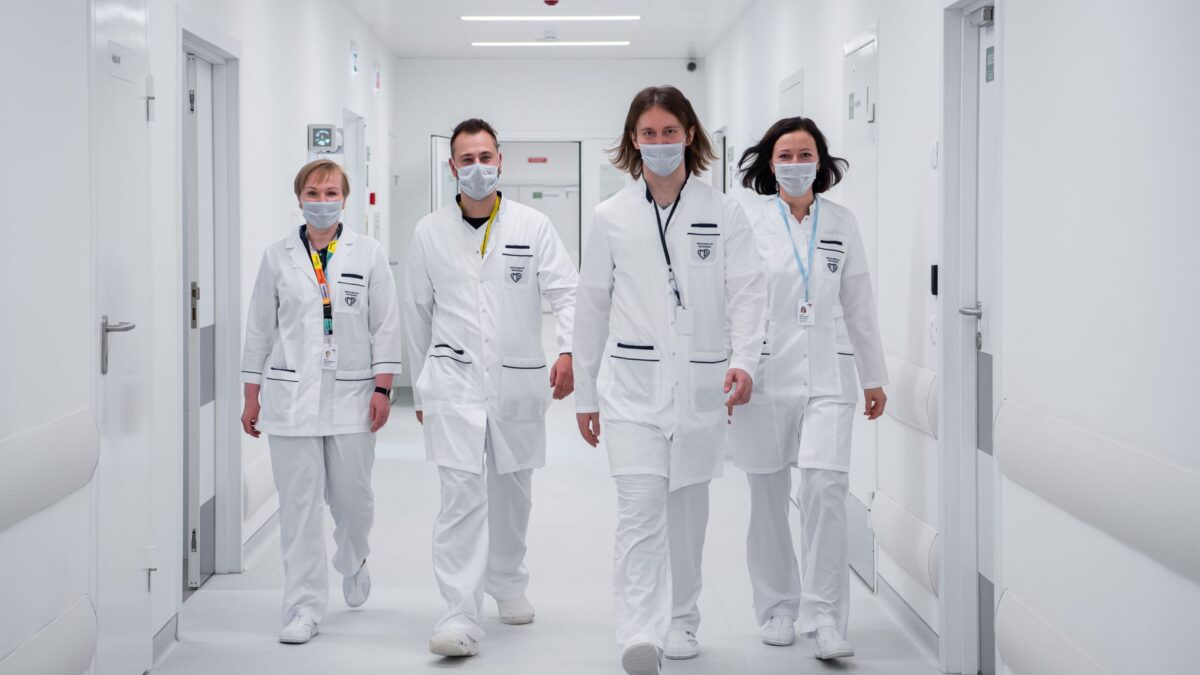
Public healthcare in Greece is run through EOPYY, the National Organization for the Provision of Health Services, which covers anyone who pays social insurance through e-EFKA, plus their registered dependants. You need an AMKA (social security number) to use it. Public hospital care is free at the point of use, while doctor visits and medicines can carry a co-payment.
The system has two layers. The ESY (National Health System) owns the public hospitals and health centres. EOPYY is the insurer that pays for care, contracts private doctors, labs and pharmacies, and sets what you pay. The details below are as of November 2026.
Who is covered by EOPYY?
Employees, freelancers and pensioners who pay contributions to e-EFKA are covered, and so are the spouses and children registered as their dependants. Coverage depends on contributions: if a freelancer falls behind on payments, insurance capacity can lapse until the debt is settled or put on a payment plan.
| Who you are | How you are covered (as of November 2026) |
|---|---|
| Employee in Greece | Your employer registers you with e-EFKA; contributions come out of your salary |
| Freelancer or self-employed | You pay monthly e-EFKA contributions yourself |
| Spouse or child of an insured person | Registered as a dependant (emmesos) on the insured person’s record |
| EU citizen with an EHIC or S1 form | Same access as Greek insured people, through the EOPYY international section |
| Non-EU resident on a permit without work in Greece | Usually private health insurance, which the permit itself requires |
EU citizens who are insured in another member state should read EOPYY’s guide to healthcare in Greece for EU citizens. It explains that an EHIC or S form gives access on the same terms as the local insured population, and that EOPYY-contracted private clinics charge a co-payment. If you live here on a financially independent person or digital nomad permit, the public system is usually not your main cover: our guide to private health insurance in Greece covers that side.
Before you can use the system you need an AMKA, and for most online services also TAXISnet codes. The AMKA is the number on every prescription, appointment and lab referral. Our guide to getting an AMKA number explains where to apply. Then check your insurance status: gov.gr has an e-EFKA service that shows your asfalistiki ikanotita (insurance capacity), which pharmacies and doctors also see when they look you up.
How do you register with a personal doctor?
Every adult aged 16 and over is expected to register with a personal doctor (prosopikos iatros), a GP or internist who coordinates referrals. The scheme comes from Law 4931/2022. Penalties for not registering were abolished in a 2024 reform, as of November 2026.
- Log in to the personal doctor registration service on gov.gr with your TAXISnet codes.
- Confirm your AMKA and contact details.
- Pick a doctor from those with free places, filtered by area. Choose one near home: you will see them for routine visits and referrals.
- Save the confirmation. You can change doctor later through the same service.
The personal doctor can be at a public health centre or a private practice contracted with EOPYY. Contracted doctors have a cap on registered patients, so popular practices in central Athens may show no free places. Children under 16 can optionally register with a personal paediatrician.
How do you book appointments with public doctors?
Call 1566, the Ministry of Health’s free line, which has run 24 hours a day since July 2025 and books appointments in public health services. Appointments at public hospital outpatient clinics are also bookable online through the MyHealth app and the finddoctors service on gov.gr. Specialist visits through EOPYY generally need a referral from your personal doctor, though the rules have changed several times; check the current referral rule with the doctor or 1566 before booking.
Visits to EOPYY-contracted private specialists are booked with the practice. Each contracted doctor has a monthly quota of EOPYY visits, so you may be offered a private appointment instead. Ask before the visit whether it is on EOPYY or private.
How do e-prescriptions work?
Greece uses electronic prescriptions for almost everything. The doctor issues the prescription on the national system, and you get a code by SMS or email, or you take a printout. Any pharmacy can dispense it with your AMKA.
The co-payment on medicines is a share of the reference price, usually 25% for insured people, and lower (10% or 0%) for certain chronic and serious conditions, as of November 2026. If you choose a more expensive brand than the reference price, you pay the difference. For nights and Sundays, see our guide to finding a pharmacy on duty in Athens.
Where do you go in an emergency at night?
Public hospitals in Attica take emergencies on a rota called efimeries: only some hospitals receive new emergency patients on a given day, by specialty. The Ministry of Health publishes the daily list on moh.gov.gr. Going to a hospital that is not on duty usually means being redirected, unless the case is life-threatening.
For a life-threatening problem, call 166 (EKAB ambulance) or 112. Our list of emergency numbers in Greece covers which number to call when. Emergency treatment in public hospitals is free, even for people without insurance.
What is free and what costs money?
Here is how the main costs look for an insured adult, as of November 2026. Fees can change by ministerial decision, so check the amount with the provider.
| Service | What you usually pay |
|---|---|
| Treatment in a public hospital (ESY) | Free, including emergency care |
| Personal doctor and health centre visits | Free within EOPYY |
| Contracted private specialist, within quota | Free or a small fee; outside the quota, a private fee |
| Prescription medicines | Co-payment, usually 25% (10% or 0% for some conditions) |
| Lab tests at contracted private labs | Co-payment, typically 15% of the EOPYY price |
| Private clinic stay contracted with EOPYY | A co-payment plus any difference above EOPYY rates |
Why do many residents still use private clinics?
The gaps are waiting times and choice. Contracted specialists run out of monthly EOPYY quota, scans at public hospitals can take weeks to schedule, and public hospital wards are busy on duty days. Many residents use EOPYY for prescriptions, routine visits and hospital emergencies, and pay privately or through insurance for fast specialist visits and diagnostics. Dental care is mostly private.
Bottom line
Get your AMKA and TAXISnet codes in the first weeks, then register with a personal doctor before you get sick, because free places near you fill up. Save 1566 and the moh.gov.gr duty list on your phone; they solve most “where do I go” moments.
FAQ
Can I use EOPYY with only an AMKA?
An AMKA identifies you, but EOPYY cover comes from paying social insurance or being a registered dependant. Without insurance you can still get emergency care at public hospitals.
Does EOPYY cover dental care?
Very little for adults. Most residents pay dentists privately.
Can I see a specialist without a referral?
Some specialties have been exempted at times, but the referral rules change. Ask your personal doctor or call 1566 before booking an EOPYY specialist visit.
Is the 1566 line in English?
Expect the call to be answered in Greek. Ask whether an operator can continue in English, and have your AMKA ready, since bookings are made against it.