COP31 in Antalya Ends Without a Deal After Fossil Fuel Row
The UN climate summit in Antalya, Turkey, ended Nov. 22 with no political agreement. What blocked it and what happens before COP32 in Ethiopia.
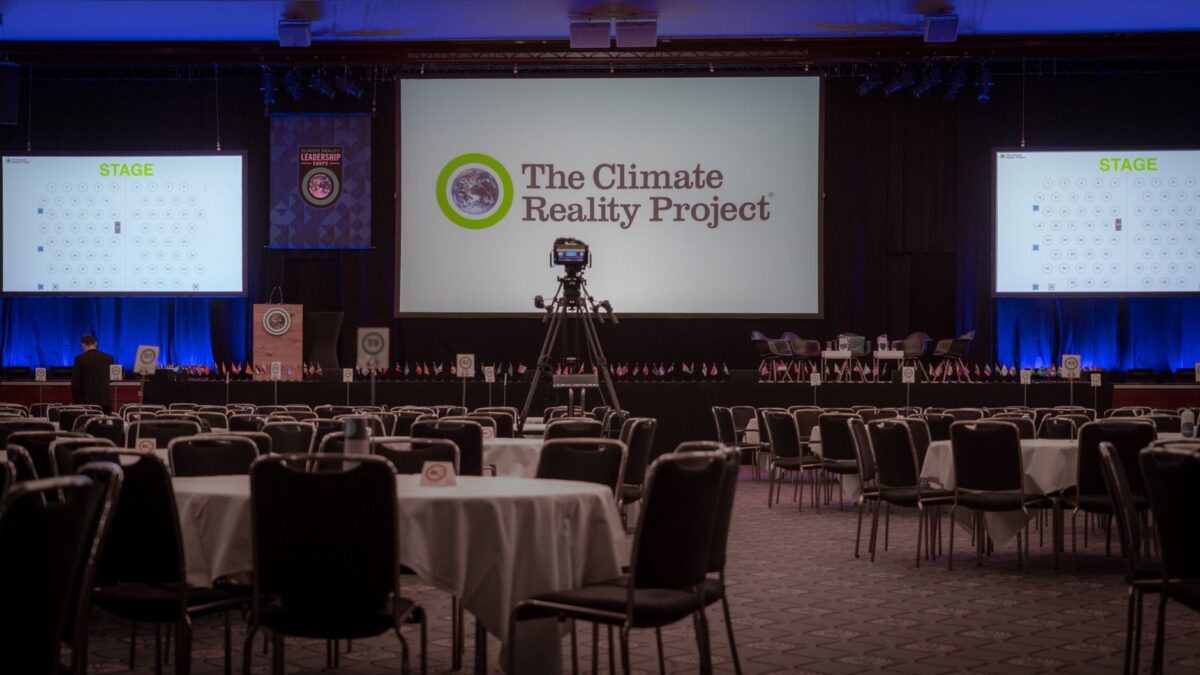
The COP31 climate summit in Antalya, Turkey, ended on Sunday, Nov. 22, without a political agreement. Delegates rejected the “Antalya Pact,” a framework decision meant to send a strong signal on accelerating action against climate change. According to Kathimerini, citing Reuters and the BBC, it was the longest COP in history, and the first collapse of a central political deal since Copenhagen in 2009.
Talks were due to finish on Friday and ran into the early hours of Sunday. The next conference, COP32, is scheduled for November 2027 in Ethiopia.
Fossil fuels and money split the delegates
The final text did not contain the words “fossil fuels,” according to Kathimerini. Its only indirect reference pointed back to the COP28 agreement of 2023, when countries committed to a “transition away” from them. The European Union, Pacific island states and others rejected the text. Irish minister Darragh O’Brien, speaking for the EU, said it was “unthinkable” to agree a climate pact that ignores fossil fuels.
The Guardian, cited by LiFO, reported that the EU, Britain, some other wealthy countries and dozens of developing nations formed a loose alliance of about 130 parties on Saturday night to demand that wording. Their demand was not accepted.
A first draft circulated on Monday contained six references to fossil fuels, but oil-producing states found that wording unacceptable, Kathimerini reported. Saudi Arabia’s representative, Mohammed Ayoub, said Arab states kept negotiating in good faith and bear responsibility for only a small share of historical emissions. Russia warned against “slogans” on coal, oil and gas, arguing that a too-rapid exit would cause “energy poverty.”
Poorer countries also objected that the text named no financing amounts. Last year’s COP30 in Brazil agreed to triple adaptation funding, but the Antalya draft gave no figures or baseline for measuring it. African ministers said at the conference: “We did not come here to beg.”
Reactions
UN Secretary-General Antonio Guterres, attending his last COP before leaving office, said he was “deeply disappointed” and accused powerful fossil fuel interests of following the tobacco industry’s playbook. Australian Prime Minister Anthony Albanese, whose country co-organised the talks, blamed “difficult geopolitical conditions.” Australian minister Chris Bowen, who chaired the negotiations, said there were “unbridgeable” gaps between countries.
The Guardian noted that this was the first COP with two presidencies, Turkish hosting and Australian negotiation leadership, and that the gaps between drafts showed how slowly they coordinated. Drafts came on Monday, Thursday, early Sunday and a fourth on Sunday afternoon.
What was agreed
Some smaller outcomes emerged. Kathimerini reported progress toward a “just transition mechanism” to support workers and local communities as economies move to clean energy. The COP31 president said more than 80 countries backed Turkey’s goal of raising electricity’s share of global final energy consumption to 35% by 2035. The Guardian wrote that the conference did not formally adopt that target.
For the first time, a COP formally discussed “overshoot” of the 1.5 °C warming limit, though no agreement was reached on what to do about it. According to the UN, current government policies point to about 2.8 °C of warming by 2100.
Why it matters for Greece and Europe
The outcome leaves the 2023 commitment to move away from fossil fuels in place but without new wording to implement it. Kathimerini noted that 2026 may become the hottest year on record, with summer heatwaves and drought in Europe, conditions Greek residents know well. The EU, of which Greece is a member, was among the parties that rejected the text.
Calls to reform the process
Reuters, cited by OT.gr, reported that negotiators are questioning the consensus-based process. Andres Martin Garrido Sanchez of Peru’s foreign ministry said the credibility of the process is at stake and that it needs radical reform. UN climate chief Simon Stiell said consensus can still work, and that he has brought in outside experts to advise on possible reforms. Al Gore called it outrageous that a handful of oil-producing states hold a veto over any mention of fossil fuels.
Smaller coalitions are moving ahead outside the main talks, including the Transition Away From Fossil Fuels conference, which Tuvalu will host next year. Climate minister Maina Talia expects about 90 countries to send representatives. Fiji’s chief negotiator, Sivendra Michael, said the COP process remains necessary to hold countries to their legally binding commitments.
Sources: OT.gr, Καθημερινή, LiFO