Seismic Ship Reaches Ionian Sea as Three Firms Bid for Greek Data
The seismic ship RAMFORM TETHYS has reached the southern Ionian Sea to survey concession areas, with work due to finish by the end of January 2027.
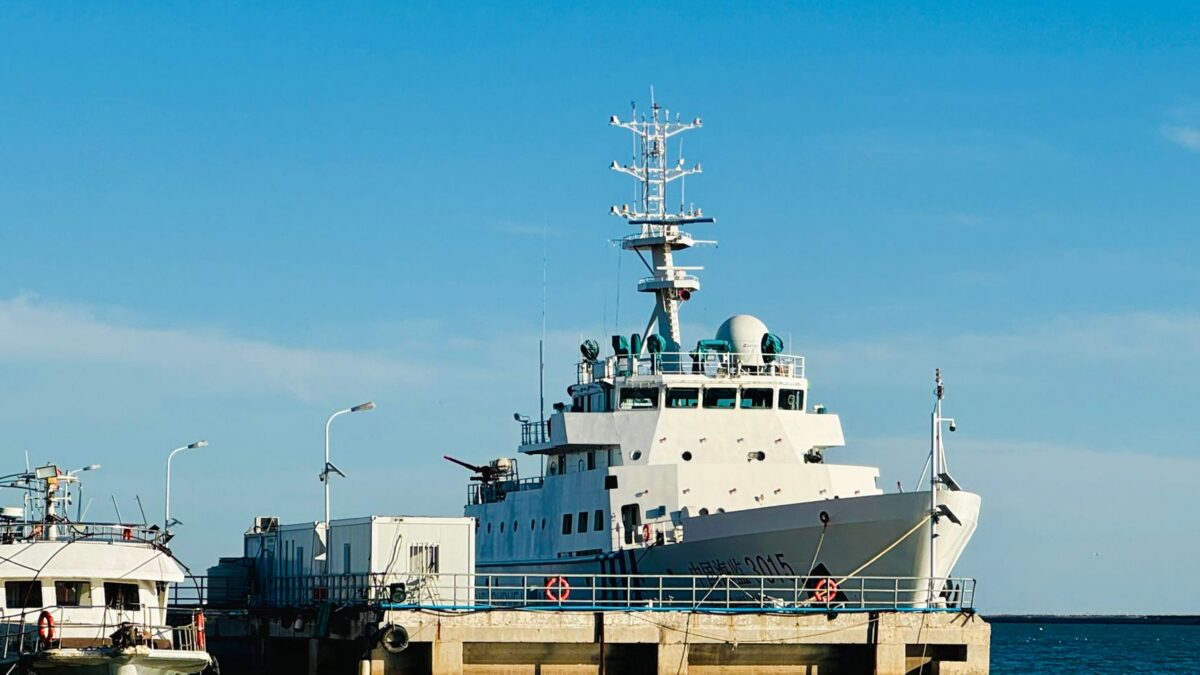
A seismic survey vessel, the RAMFORM TETHYS, has arrived in the southern Ionian Sea to begin hydrocarbon surveys in the areas awarded to the Chevron-HELLENiQ ENERGY consortium, Greece’s Ministry of Environment and Energy announced on Nov. 20. The survey work is expected to be completed by the end of January 2027.
The ship belongs to the company TGS, which is doing the surveys for the consortium. Environment and Energy Minister Stavros Papastavrou said the work is set to begin in the coming days. The vessel arrived after the ministry approved a request for a NAVTEX notice, the maritime warning that tells ships about activity at sea.
Drilling is expected in 2027
According to earlier reports cited by Keep Talking Greece, drilling by Chevron-HELLENiQ ENERGY is supposed to begin in 2027. Seismic surveys send sound waves into the seabed and record the echoes, which gives companies a picture of the rock layers before any well is drilled.
Three bids in a separate seismic tender
In a related step, the Hellenic Hydrocarbons and Energy Resources Management Company (HEREMA) opened the bids for an international tender on Thursday. Three companies, SLB, Viridien and BGP, submitted offers for the acquisition and processing of non-exclusive seismic data in offshore areas of western and southern Greece.
HEREMA’s Evaluation Committee will now assess the bids. It aims to select one or more contractors to carry out the programme. Together with TGS, the ministry counts four of the world’s leading seismic survey companies as taking part in Greece’s offshore sector.
What the minister said
Papastavrou said the bids and the arrival of the vessel confirm strong international interest in Greece’s energy potential, following the earlier arrival of Chevron and ExxonMobil. He described developing domestic resources as a strategic choice for the government and said the work will respect international law, the Law of the Sea, and strict safety and environmental requirements.
Why it matters
The minister said the aim is a clear, well-documented picture of the country’s domestic energy resources. In his words, if commercially recoverable deposits are confirmed, developing them would strengthen Greece’s energy security and Europe’s energy supplies. The surveys do not show whether such deposits exist; that is what the data collected over the coming weeks is meant to establish.
Readers should watch for the outcome of HEREMA’s evaluation and for the end of the survey period in January 2027.
Source: Keep Talking Greece