Cruising From Piraeus Under EES: Who Registers and Where
Non-EU cruise passengers boarding at Piraeus usually register for EES where they first enter Schengen. How transit calls and airport transfers work.
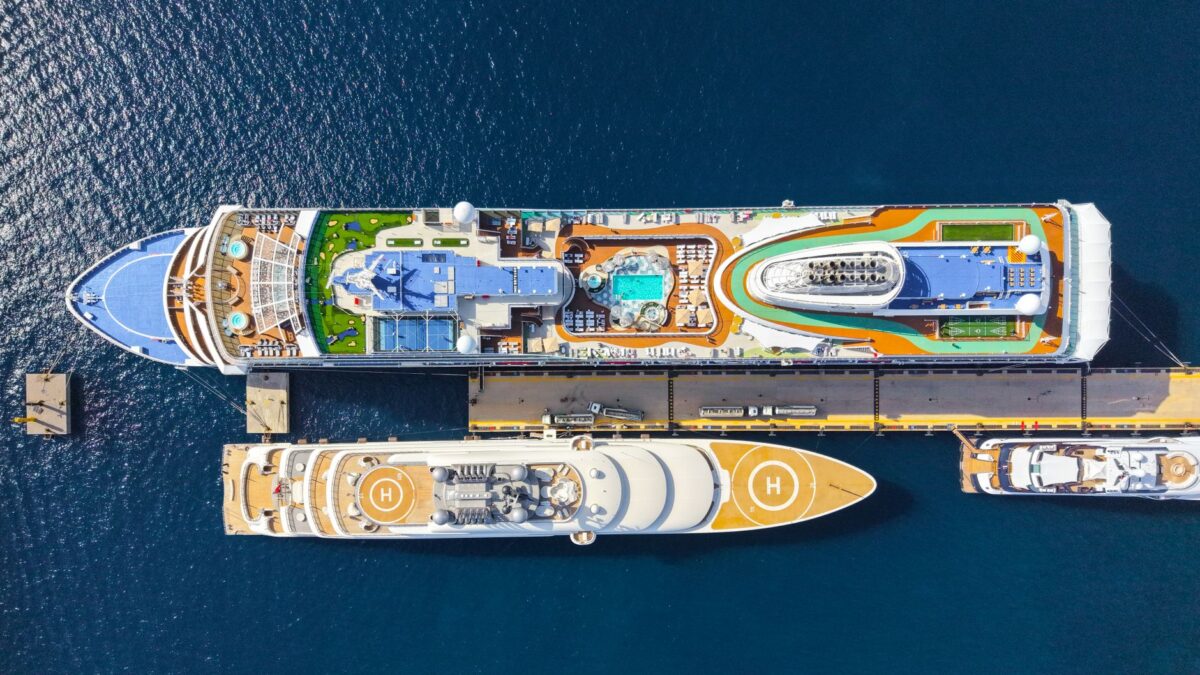
If you are a non-EU national on a short stay and your cruise starts at Piraeus, expect your Entry/Exit System (EES) registration at the point where you first enter the Schengen area, which for most people flying in is the airport. Passengers on a ship that starts and ends its voyage outside Schengen and only calls at Piraeus for the day are usually exempt, although port authorities can decide otherwise. Registration is free and needs no action before you travel.
What is the EES and who has to register?
The EES is an automated system that registers non-EU nationals travelling for a short stay each time they cross the external borders of the 29 European countries that use it. The European Commission says it records the traveller’s name, travel document data, fingerprints, a facial image, and the date and place of entry and exit. It also records refusals of entry.
The system began a gradual start on Oct. 12, 2025, and became fully operational on April 10, 2026. Since that date it replaces passport stamps. Greece is one of the Schengen countries using it.
Some travellers are exempt. The UK government’s guidance says exempt travellers should not register and should show their exempting documents to the border guard. It adds that an EES record may be deleted where a traveller has been granted a residence permit after entering the Schengen area. The full list of exemptions is on the EU’s official Travel Europe website, so residents of Greece who hold a permit should check their own case there before sailing.
Where do home-port passengers at Piraeus register?
A home-port passenger is one who joins or leaves the ship at Piraeus. The clearest official wording on cruises comes from the UK government’s EES guidance, which is written for British passport holders but describes the general rule for non-EU travellers:
- Travellers boarding a cruise within the Schengen area may need to complete EES checks at their initial entry point to the Schengen area.
- Travellers entering the Schengen area by air are registered at the border on arrival in their destination country.
- Travellers who leave a cruise within the Schengen area and travel on by other means may need to complete EES checks when leaving the ship.
In practice, a visitor who flies to Athens from outside Schengen to join a ship meets the EES at passport control in the airport, before going anywhere near the port. Our guide to EES registration at Athens airport explains who queues there and how much time to allow. A visitor who reaches Greece on a flight from another Schengen country will already have been through the check at that first border.
On a first visit you may be asked to create a digital record, give fingerprints and have a photo taken at dedicated booths. The record is valid for 3 years. You may also be asked for a fingerprint or photo when you exit the Schengen area.
What happens on a transit call at Piraeus?
A transit call is a day stop on a longer itinerary. According to the UK guidance, sailings that start and finish their journey outside the Schengen area will usually be exempt from EES checks for day trips into Schengen that are part of the itinerary. Under some circumstances passengers may still be required to complete the checks, and that is at the discretion of the port authorities.
The exemption depends on the route of the ship, so two ships docked side by side can be treated differently. Your cruise line knows which category the sailing falls into. Ask it before the call if you plan to leave the ship and not return, because a passenger who disembarks in Schengen and travels on is in the home-port category described above.
Does a cruise count toward the 90 days?
The EES exists to detect overstayers automatically. The UK guidance reminds frequent travellers that a total stay in the Schengen area must be no more than 90 days in every 180 days, and that each member state has its own penalties for exceeding the limit. Days recorded between an entry and an exit count, so a pre-cruise week in Athens is part of the total.
How do you get from Athens airport to the cruise terminal?
Piraeus is the chief sea port of Athens and lies on the Saronic Gulf. It is the largest port in Greece, and Wikipedia’s article on the port gives its passenger traffic as 19.15 million people in 2025. The port is operated by Organismos Limenos Peiraios (OLP, the Piraeus Port Authority), and the Piraeus Port Authority website is the place to confirm which cruise terminal your ship uses.
The airport and the port are on opposite sides of the city. The metro runs from the airport to Piraeus, an express bus links the two directly, and taxis and pre-booked transfers make the same trip by road. Fares and journey times are in our comparison of metro, bus and taxi from Athens airport.
The cruise berths are in a different part of the harbor from most island ferries. If you arrive by metro, you still have a walk or a short ride along the waterfront. The layout of the harbor and its numbered gates is covered in our guide to gates and boarding at Piraeus.
- Clear passport control at the airport, including EES registration if it applies to you.
- Check the terminal named on your cruise documents.
- Take the metro, the express bus or a taxi to Piraeus.
- Follow the cruise line’s instructions for check-in times at the terminal.
What should you tell border staff?
The UK guidance asks travellers in all locations to follow directions from their travel operator and the port or airport, and to tell border staff if they expect any problem completing the biometric checks. The checks can take longer than passport stamping did, especially at busy times.
Quick answers
Do I need to do anything for EES before I leave home?
No. The UK guidance says you do not need to provide any information before travelling and that EES registration has no cost.
Is ETIAS the same as EES?
No. ETIAS is a separate travel authorisation that the EU is expected to introduce, with a 20 Euro fee. The EU will announce its start date, and the UK government warns that any website selling ETIAS before then is fraudulent.
Does EES apply in Cyprus?
No. Cyprus and the Republic of Ireland are outside the Schengen area, so the EES does not apply when travelling to either country. A cruise from Piraeus that calls in Cyprus leaves Schengen and comes back.
Checked against official sources in November 2026. Hours, prices and rules change: confirm on the official page before you go or apply.